July 21, 2026
Building a Deck on a Beach House with Pilings
By Coastal Concepts Construction · 3 min read
Learn about adding a deck to your beach house on pilings. Considerations for coastal weather, materials, and local conditions are key.
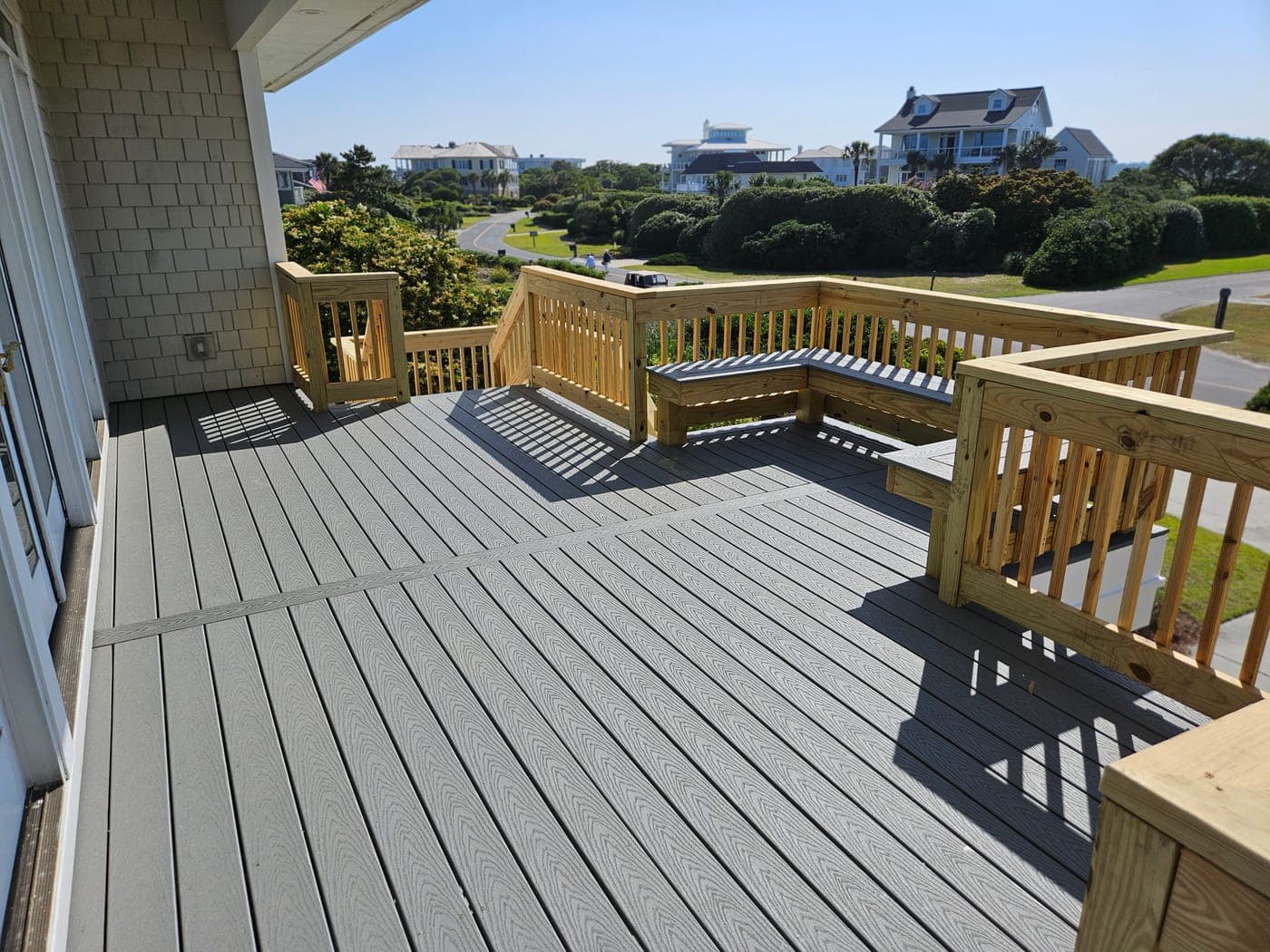
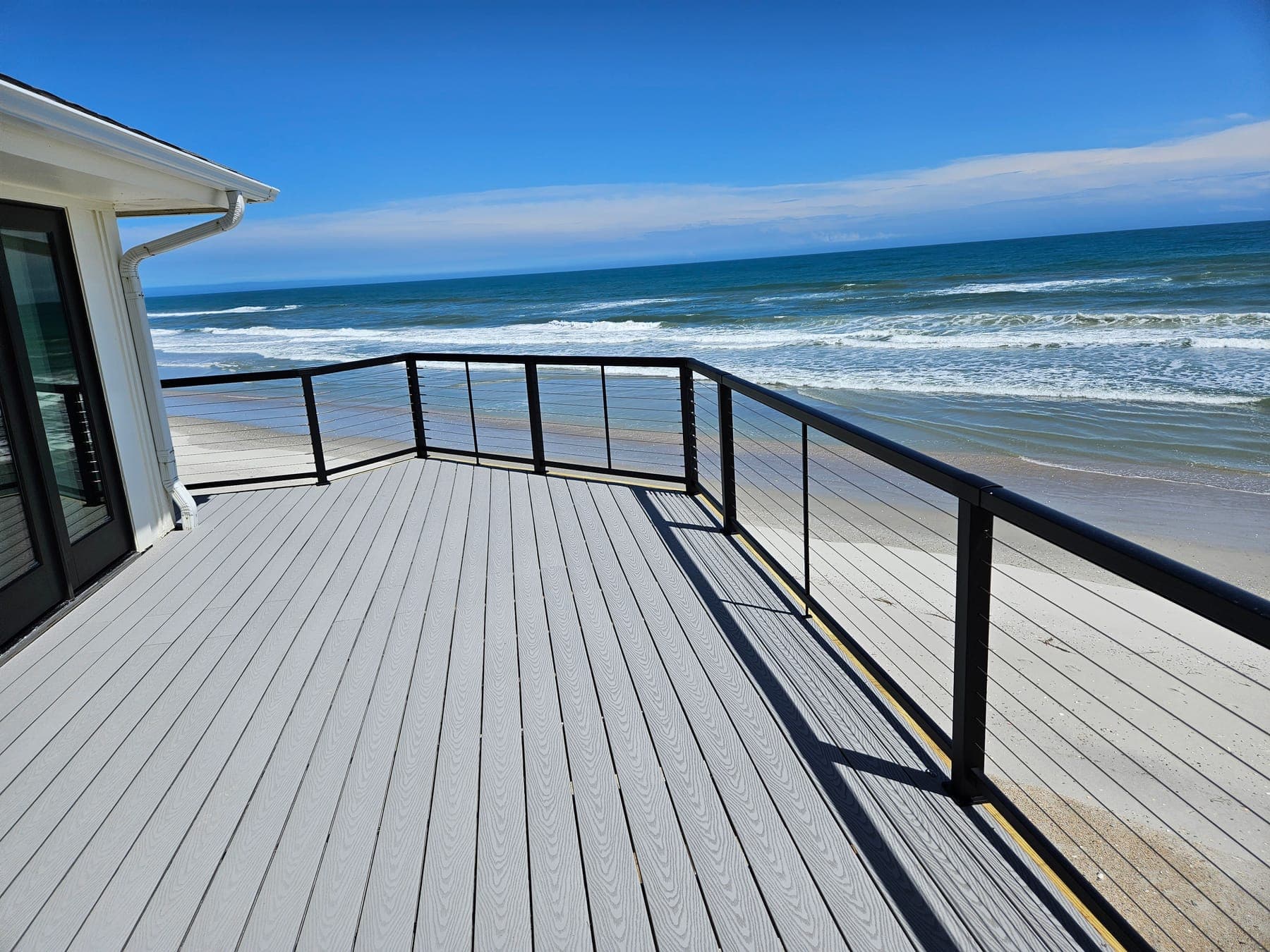
Adding a deck to your beach house on pilings can enhance your living space and give you a perfect spot to enjoy the coastal views. Wilmington's unique coastal climate and conditions make planning and building a deck a bit different than inland projects. Here's what you need to know.
Why Build a Deck on Pilings?
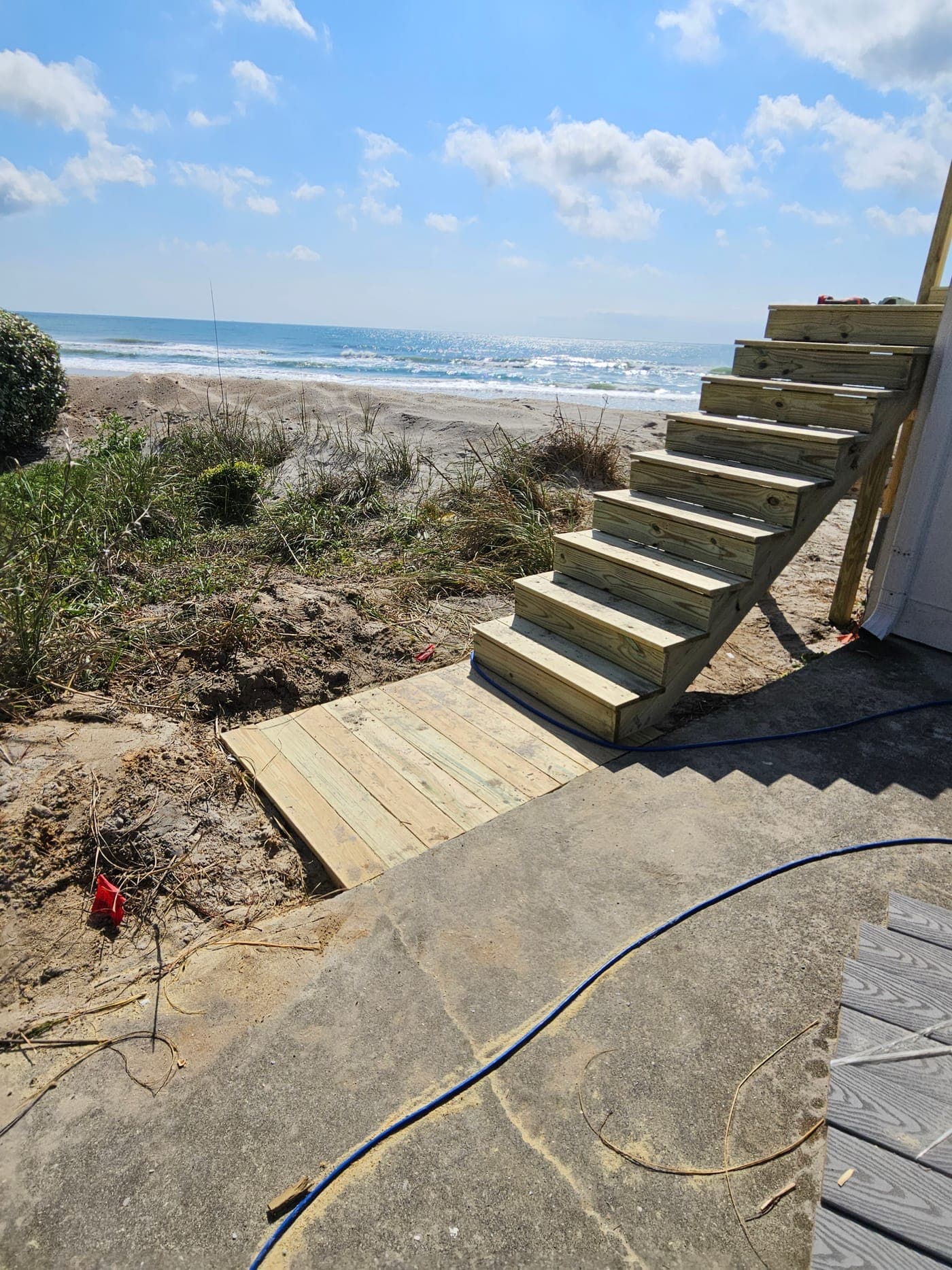
Beach houses on pilings are common in coastal areas like Wilmington. Pilings lift the house above potential floodwaters and offer stability in sandy soil. Building a deck on these pilings can give you extra outdoor space without compromising the house's structural integrity. It’s a great way to take advantage of ocean views and the fresh sea breeze. Plus, a deck can serve as an excellent spot for entertaining guests or simply relaxing with family.
Coastal Considerations
When building a deck by the beach, consider the salt air, humidity, and the likelihood of storms. Salt can corrode metal fasteners, so stainless steel or other corrosion-resistant materials are best for connectors and screws. The humidity can warp wood, so pressure-treated lumber or composite decking materials are good choices. Both materials hold up well against moisture and are resistant to rot.
Given Wilmington's hurricane season from June to November, ensure your deck is built to withstand high winds. This means secure railings, strong connections, and possibly even hurricane straps. Blown sand can also cause wear over time, so regular maintenance will be necessary to keep your deck looking its best. Regularly checking for loose boards or screws can prevent bigger issues down the line.
Cost of Building a Deck
The cost of building a deck on a beach house varies widely depending on size, materials, and design complexity. In general, you can expect to spend anywhere from $4k to $25k. Composite materials and more intricate designs will push costs toward the higher end of that range. Remember, quality materials and construction will pay off in longevity and fewer repairs down the line. While it might be tempting to cut costs initially, investing in durable materials will save money in the long run.
What You Can Check Yourself
Before calling in a contractor, do a little homework. Check if your existing pilings are in good condition and can support a deck. Look for any signs of wear or rot. You might see cracks or splits in the wood or areas where the wood feels soft. If you find any issues, they’ll need to be addressed before building a deck.
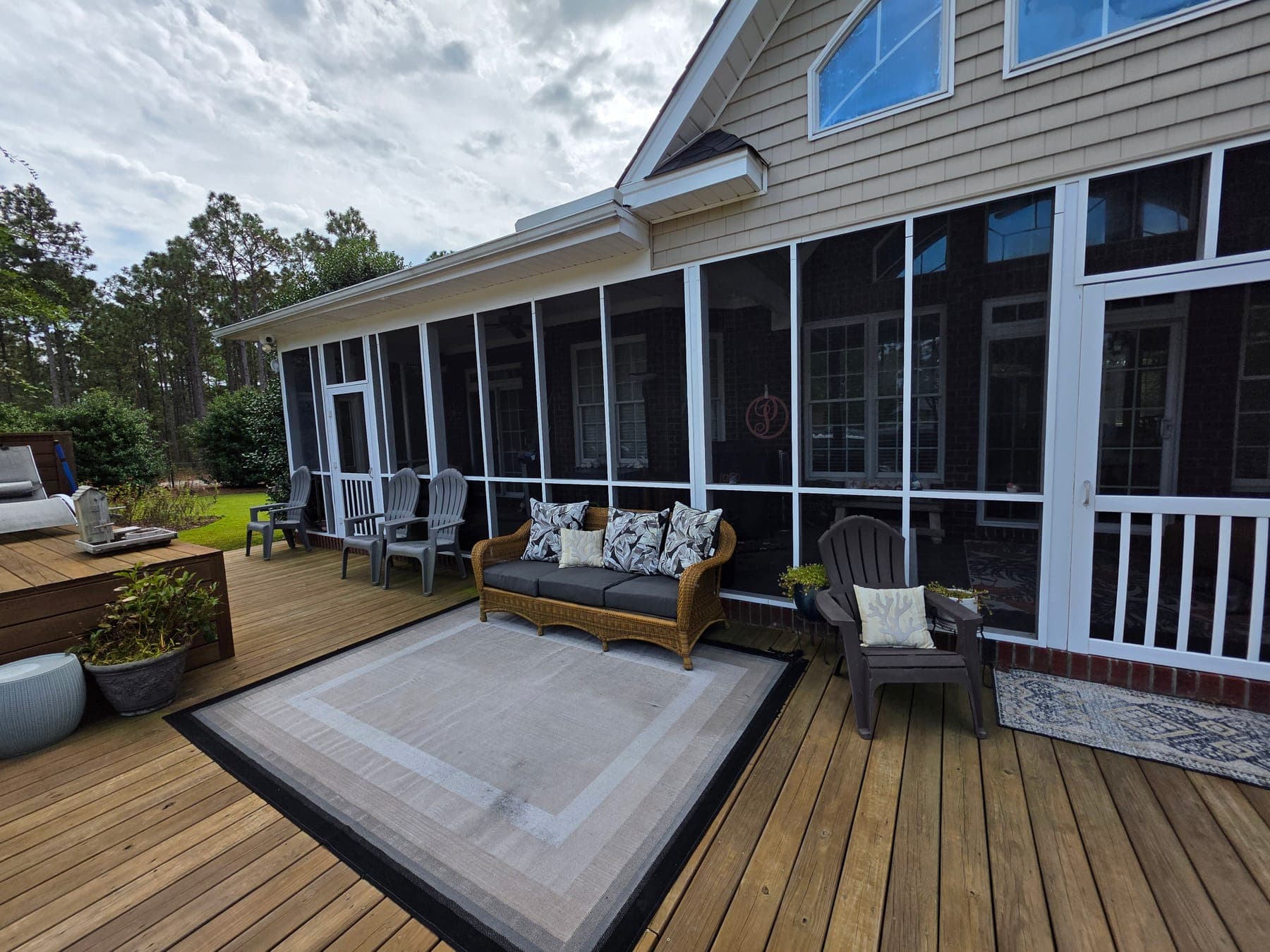
Also, consider what you want in a deck. Think about how you’ll use the space. Do you want room for a grill and dining table, or maybe a spot for some lounge chairs? Knowing your needs will help in planning the size and layout. Take note of the sun's path to maximize shade or sun exposure based on your preferences.
When to Call a Contractor
Once you have a general idea of your needs and the condition of your pilings, it’s time to call a contractor. They can evaluate your specific situation, help with design, and ensure everything meets local codes and regulations. Permits are usually required for building a deck, so your contractor can guide you through what’s needed in your county.
Working with a contractor experienced in coastal construction is important. They’ll know the best materials and methods for building a deck that stands up to Wilmington’s coastal climate. They can also advise on features like built-in seating or storage that might enhance your deck's functionality.
Conclusion
Adding a deck to your beach house on pilings can be a great investment, providing extra space and enhancing your home's value. Make sure to choose the right materials and get professional help to ensure it’s built to last. If you’re considering a deck, get a free estimate from us today.
Pricing a project?
Get an instant range
Pick your project type and see a real price range in seconds — based on jobs we’ve actually completed around Wilmington.
Common questions
Do I need a permit to build a deck on my beach house?
Yes, most likely you will need a permit. Permit requirements vary by county, so check with your local authorities to find out what’s necessary for your specific location.
What materials are best for a coastal deck?
For coastal decks, pressure-treated lumber and composite materials are recommended. They resist rot and moisture damage better than untreated wood. Stainless steel fasteners are also advisable to prevent corrosion from salt air.
How do I maintain a deck in a beach environment?
Regular maintenance is key. Clean your deck periodically to remove sand and debris. Inspect for any signs of wear, and apply a protective sealant as needed. Replace any corroded fasteners or damaged boards promptly.