July 10, 2026
Multi-Level Deck Designs for Sloped Coastal Lots
By Coastal Concepts Construction · 3 min read
Explore multi-level deck designs suitable for sloped lots in coastal NC. Understand key considerations, costs, and when to call a contractor.
Understanding Multi-Level Deck Designs
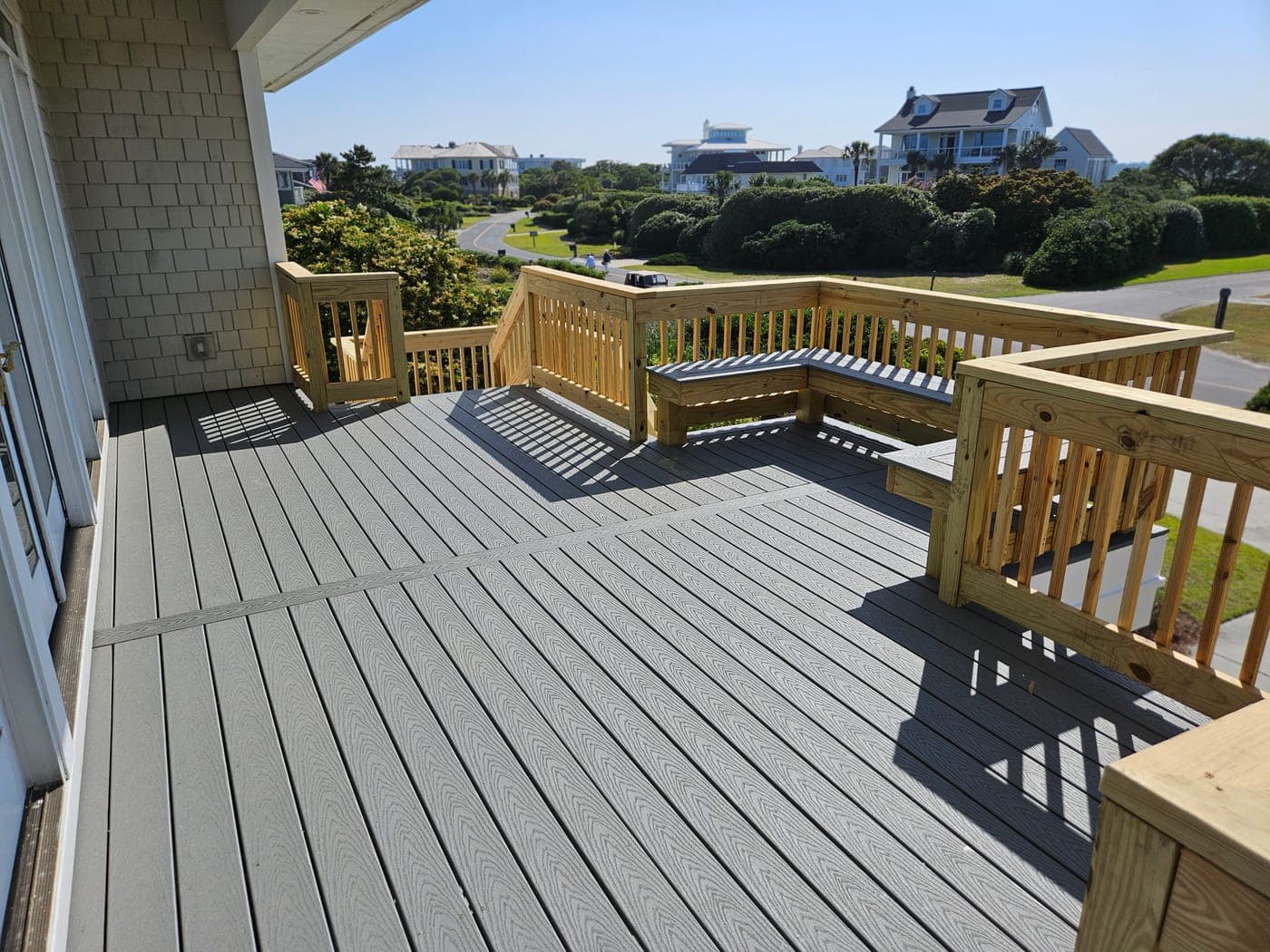
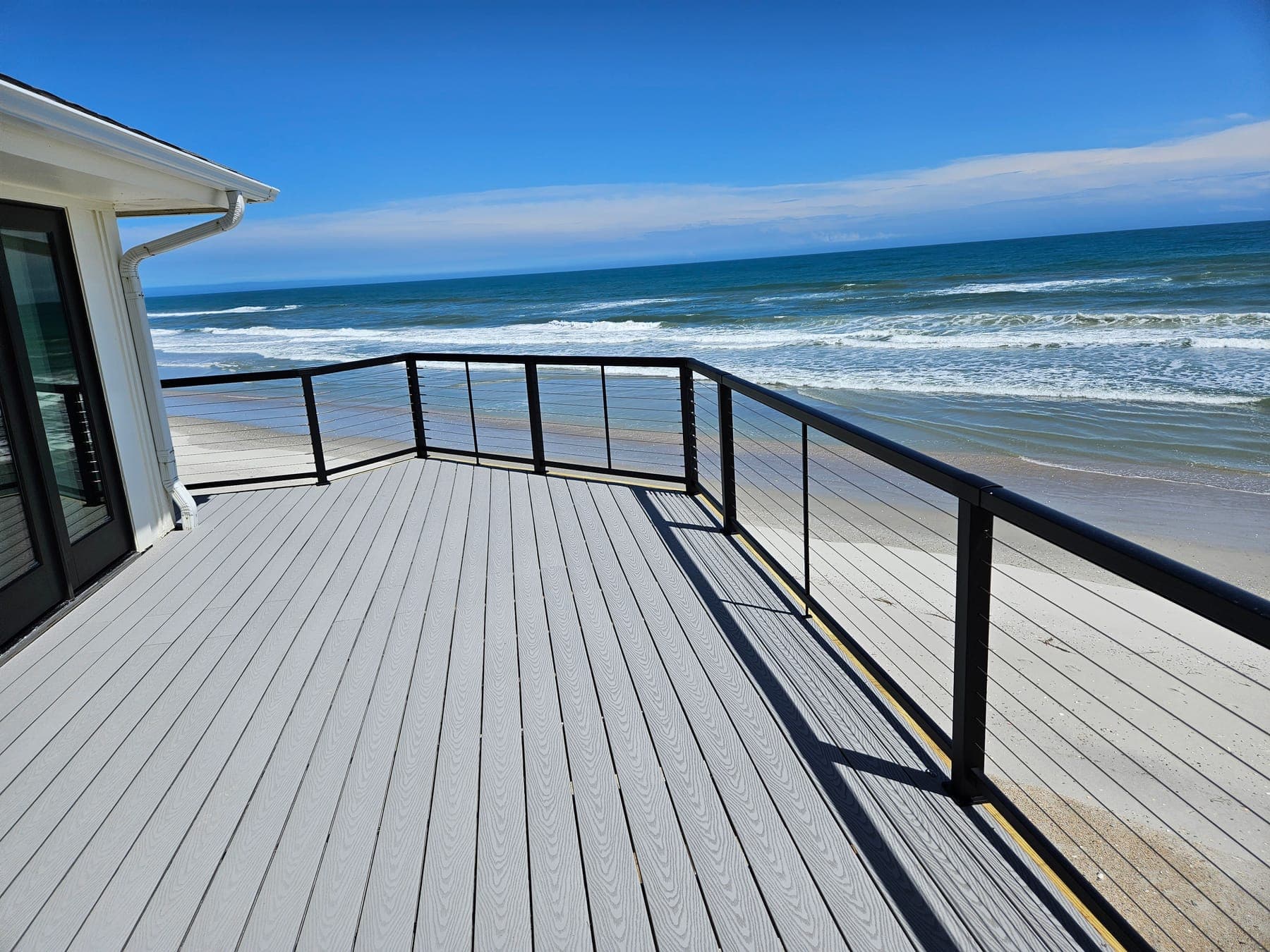
A multi-level deck is essentially a series of connected decks at different heights. This design works well for sloped lots, providing usable outdoor space where a flat deck might not fit. In coastal NC, these decks offer great views and help to manage the uneven terrain commonly found near the beach.
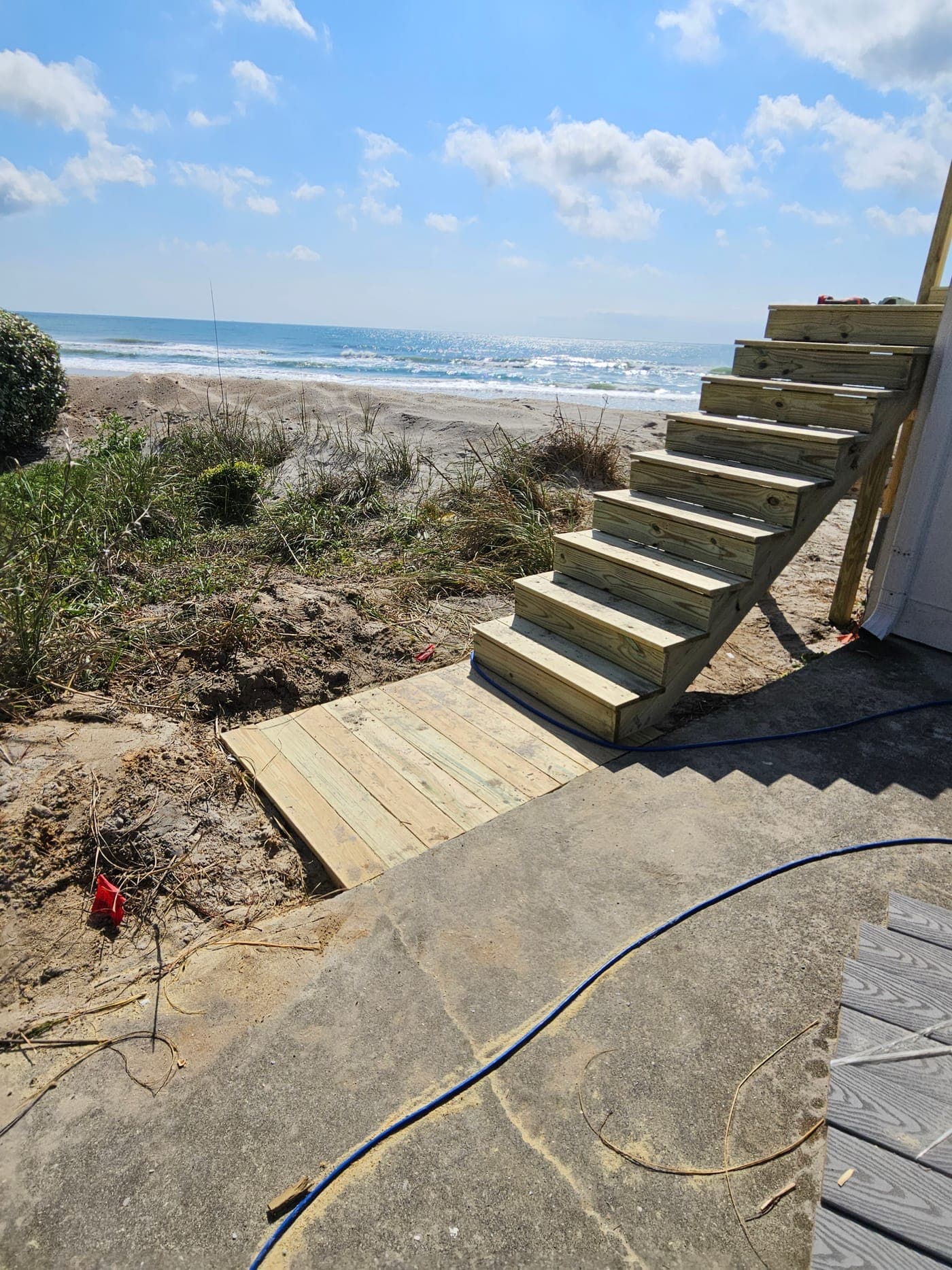
Multi-level decks can be tailored to your needs, whether you want distinct areas for dining, lounging, or even a hot tub. They can also include stairs and ramps, making them accessible from various points around your home. The key is to design a deck that complements the natural slope of your land and withstands coastal conditions.
Coastal Considerations for Decks
Building a deck on the coast isn't the same as building inland. Here in Wilmington, we deal with salt air, high humidity, and the occasional hurricane. These factors can affect both the materials you choose and the structure itself.
Pressure-treated wood is common, but composites and other materials are gaining popularity for their durability against salt and moisture. Proper drainage is another big deal. You need to ensure water doesn't pool on any level, which could lead to rot or other damage. Wind is another factor—having a deck that can withstand a storm is crucial.
Also, consider the impact of sand. Blown sand can wear down surfaces over time, so choosing materials that can handle abrasion is wise. Regular maintenance, like sealing and cleaning, will help extend the life of your deck.
Cost of Multi-Level Decks
The cost of a multi-level deck will vary based on size, materials, and complexity. You might spend anywhere from $4,000 for a small, simple setup to $25,000 for a large, intricate design. Keep in mind that costs can rise if you choose high-end materials or want special features like built-in lighting or railings.
It's wise to think about how much maintenance you're willing to do. Some materials require more upkeep than others, and that can affect long-term costs. Composite materials, for example, might have a higher upfront cost but save you time and money on maintenance.
What Homeowners Can Check Themselves
Before calling a contractor, a homeowner can do some preliminary checks to prepare for a multi-level deck project. First, assess your lot's slope and drainage. Look for areas where water naturally pools—these might need special attention during construction.
Check your view. A multi-level deck can highlight the best parts of your property. Consider what you'd like to see from each level. Also, think about how much shade or sun each area gets throughout the day. This can help you decide where to place seating or dining areas.
Consider your privacy needs as well. If your deck overlooks a neighbor's property, you might want to incorporate privacy screens or strategic landscaping.
When to Call a Contractor
Once you've got a basic idea of what you want, it's time to call in a pro. A contractor can help you finalize the design and ensure it meets local building codes. They'll also handle the permits, which can be tricky near the coast.
A contractor will evaluate your slope and drainage in more detail. They can offer solutions to any potential issues, like retaining walls or additional drainage systems. If you're considering high-end materials or custom features, a contractor's experience is invaluable.
They can also advise on the best construction methods to ensure your deck stands up to coastal weather. This includes using corrosion-resistant fasteners and ensuring the structure is anchored properly.
Closing Thoughts
Building a multi-level deck on a sloped coastal lot can be a great way to maximize your outdoor space. With the right design and materials, you can enjoy a durable deck that stands up to the elements. If you're ready to explore your options, get a free estimate from us. We'll help you create a deck that fits your needs and your property.
Pricing a project?
Get an instant range
Pick your project type and see a real price range in seconds — based on jobs we’ve actually completed around Wilmington.
Common questions
What materials are best for coastal decks?
For decks in coastal NC, pressure-treated wood is common, but composites are gaining ground due to better resistance to salt and moisture. Composites require less maintenance and offer durability, making them a good choice for coastal conditions.
Do multi-level decks need special permits?
Permits can be necessary, especially for larger or more complex decks. Coastal areas often have specific regulations due to environmental concerns. It's best to check with your county or hire a contractor who can navigate the permitting process for you.
How do I ensure my deck is hurricane-resistant?
Ensuring your deck is hurricane-resistant involves using sturdy materials and proper construction techniques. Fastening systems and supports should be designed to handle high winds. Consulting a contractor experienced in coastal builds is recommended to ensure safety.