March 3, 2026
Spring Exterior Maintenance Checklist for Coastal Homes
By Coastal Concepts Construction · 3 min read
A March walk-around catches what winter did to your home before summer humidity and hurricane season make it worse. Our room-by-room exterior checklist for Wilmington-area houses.
March is the best month of the year to walk around your house on the North Carolina coast. Winter's wind and rain have done whatever they were going to do, the vegetation hasn't leafed out enough to hide anything, and you have a comfortable window to fix things before summer humidity sets in and hurricane season opens June 1. Here's the walk-around we recommend — it takes about an hour with a notepad, and it's the highest-leverage hour of home maintenance you'll spend all year.
Roof and Gutters First
Start where the water starts. From the ground with binoculars (or a phone camera zoomed in), scan for shingles that are missing, lifted, or curling, and check the flashing at chimneys, vents, and valleys for rust or separation. Winter nor'easters loosen things quietly.
Then gutters: winter fills them with debris exactly when you stop looking at them. Clogged gutters overflow at the foundation, rot fascia boards, and feed crawl-space moisture. Clean them, then run a hose and watch that downspouts actually carry water away from the house. If water pools anywhere against the foundation, note it — that's a grading fix, and it's cheaper than what it causes.
Siding, Trim, and Paint
Walk each elevation slowly and look for:
- Peeling or bubbling paint, especially on sills, fascia, and trim — the horizontal surfaces where coastal paint fails first
- Rust streaks below fastener heads — the fastener is corroding inside the wood
- Cracked caulk at windows, doors, and trim joints
- Dark or soft wood — press suspect spots with a screwdriver; rot gives
Spring matters here because small failures now become big ones over summer: our wettest months are ahead, and paint that's open at the sill in March is rot by October. Touch-up and caulk work now is cheap. If the whole exterior is chalking or failing, spring and fall are the best painting windows on this coast — full exterior jobs commonly run in the $1,200 to $5,000 range depending on size and prep.
Wash the Winter Off
Mildew loves our wet winters, and by March most homes wear a green-gray film on north-facing walls, sidewalks, and decks. A proper low-pressure wash removes the mildew and the salt film with it — typically a low-hundreds job for an average home — and doubles as an inspection, because grime hides problems. One caution: high pressure on old siding and soft wood does damage. Washing is one of those jobs where technique matters more than equipment.
Decks, Fences, and Outdoor Structures
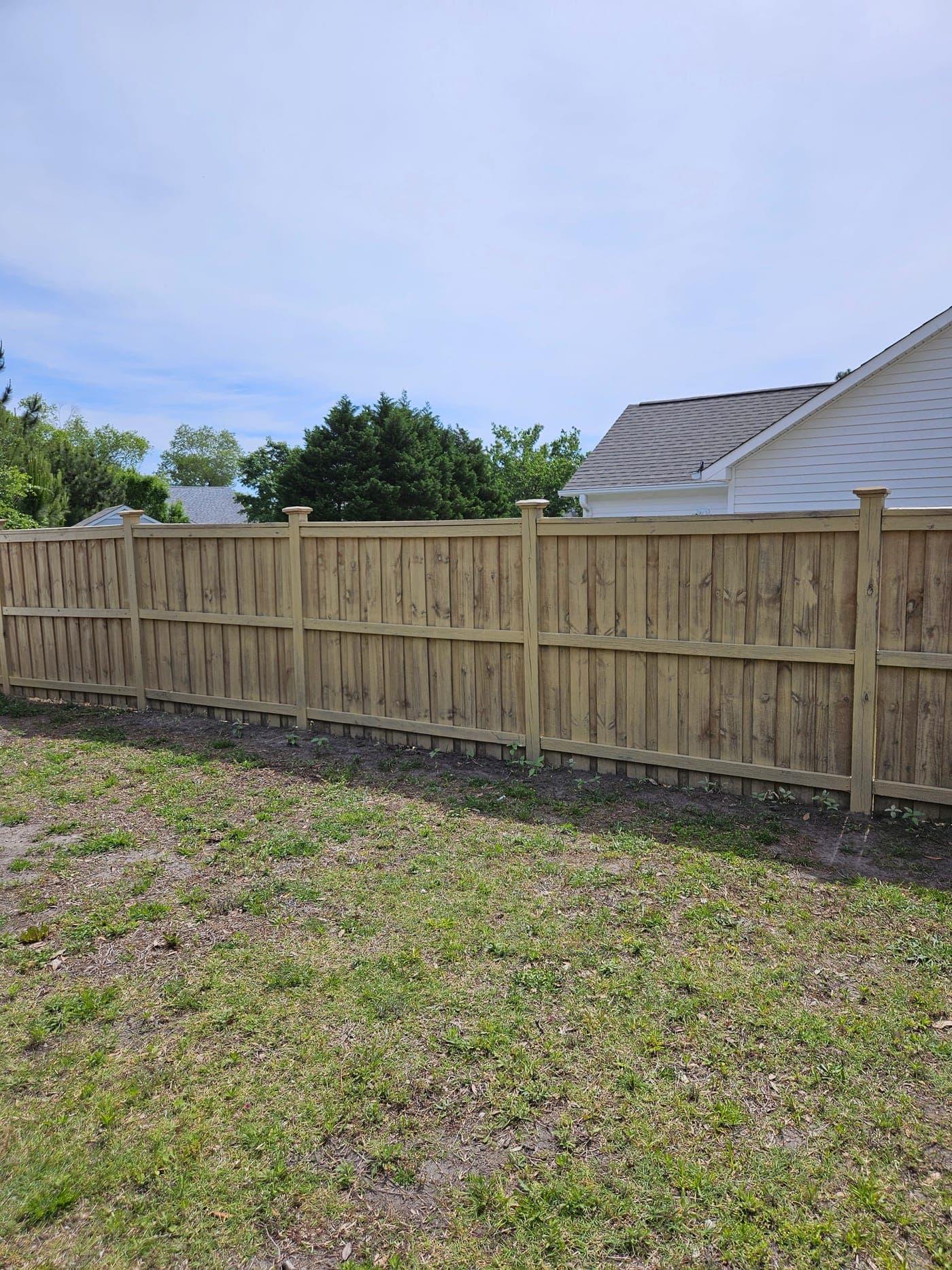
Winter moisture works on wood structures from the inside. Push on fence posts (movement means base rot or loosened footings), grab-test deck railings hard, and look under the deck at the hardware — orange rust on joist hangers, corroded ledger bolts, and any gap opening between the ledger and the house are the items worth acting on. Re-secure loose boards and pickets now; a loose picket in March is a missing section after the first summer thunderstorm.
Doors, Windows, and Hardware
Operate every window and exterior door. Lubricate hinges, locks, and tracks with a marine-grade product, replace torn screens before mosquito season, and renew weatherstripping that winter flattened. If you have an automatic driveway gate, spring is the right time for its service too — clean connections, lubricate hardware, test the safety eyes — before storm-season outages test its battery.
HVAC and the Underside
Rinse the condenser coil gently with a hose (salt buildup costs efficiency all summer), change filters, and clear the condensate line before cooling season. Then open the crawl space door and look: standing water, sagging insulation, or a musty smell now tells you what summer humidity will amplify later.
Knock It Out in One Visit
Most of what this walk turns up is small — caulk, touch-up, hardware, a wash, a few boards. That's exactly the kind of list we knock out in a day or two for homeowners across the Wilmington area, and home repair-scale visits typically run $150 to $2,500 depending on the list. Send us yours at /estimate and we'll return a free written estimate, item by item.
Pricing a project?
Get an instant range
Pick your project type and see a real price range in seconds — based on jobs we’ve actually completed around Wilmington.
Common questions
When should I do spring exterior maintenance in coastal NC?
March into early April is the sweet spot: winter damage is done and visible, vegetation hasn't hidden anything yet, humidity is still moderate, and you have time to complete repairs before hurricane season opens June 1. It's also prime scheduling season, so book vendors early.
What spring problem do coastal homeowners most often miss?
Failed caulk and small paint failures on horizontal trim — sills, fascia, and water tables. They look cosmetic in March, but the region's wettest months are ahead, and open paint at a sill in spring is frequently a wood-rot repair by fall. The fix in March is caulk and touch-up; the fix in October is carpentry.
Is pressure washing safe for every home exterior?
Not at full pressure. High pressure damages old siding, soft wood, and failing paint, and can drive water behind siding. The right approach for most coastal homes is a low-pressure wash with an appropriate cleaner — it removes mildew and salt film without harming surfaces, and typically costs in the low hundreds.