January 6, 2026
A Preventive Maintenance Calendar for Rental Properties
By Coastal Concepts Construction · 3 min read
For property managers: a month-by-month preventive maintenance calendar tuned to coastal North Carolina — what to schedule each season, and why reactive-only maintenance costs more.
January is when we sit down with the property managers we work for and build the year's maintenance calendar. It's the least exciting meeting of the year and the one that saves the most money. Reactive maintenance — waiting for the ticket — always looks cheaper until you price what deferred items become: a $200 caulk-and-flash visit skipped in spring is a $2,000 rot repair by fall, and on the coast the clock runs faster.
Here's the calendar we run for rental properties in the Wilmington area, adapted to our climate: humid subtropical, roughly 60 inches of rain a year, salt air, and a hurricane season that runs June 1 through November 30.
Q1: January – March (Cold Snaps and Prep Season)
January. Walk every building exterior while vegetation is down — it's the best month of the year to see siding, trim, and foundations. Check pipe insulation on exposed plumbing before the coldest weeks. Inspect breezeway and stairwell lighting; days are short and dark corners get noticed in winter.
February. Interior systems month. Test smoke and CO detectors in common areas, flush water heaters in vacant units, and inspect crawl spaces and lower-level units for winter moisture. Book your spring vendors now — everyone's calendar fills by March.
March. Exterior wake-up. Pressure wash buildings, breezeways, and sidewalks (mildew from the wet winter is at its worst). Touch up exterior paint failures before spring humidity arrives. Service irrigation before first use.
Q2: April – June (The Big One: Storm Readiness)
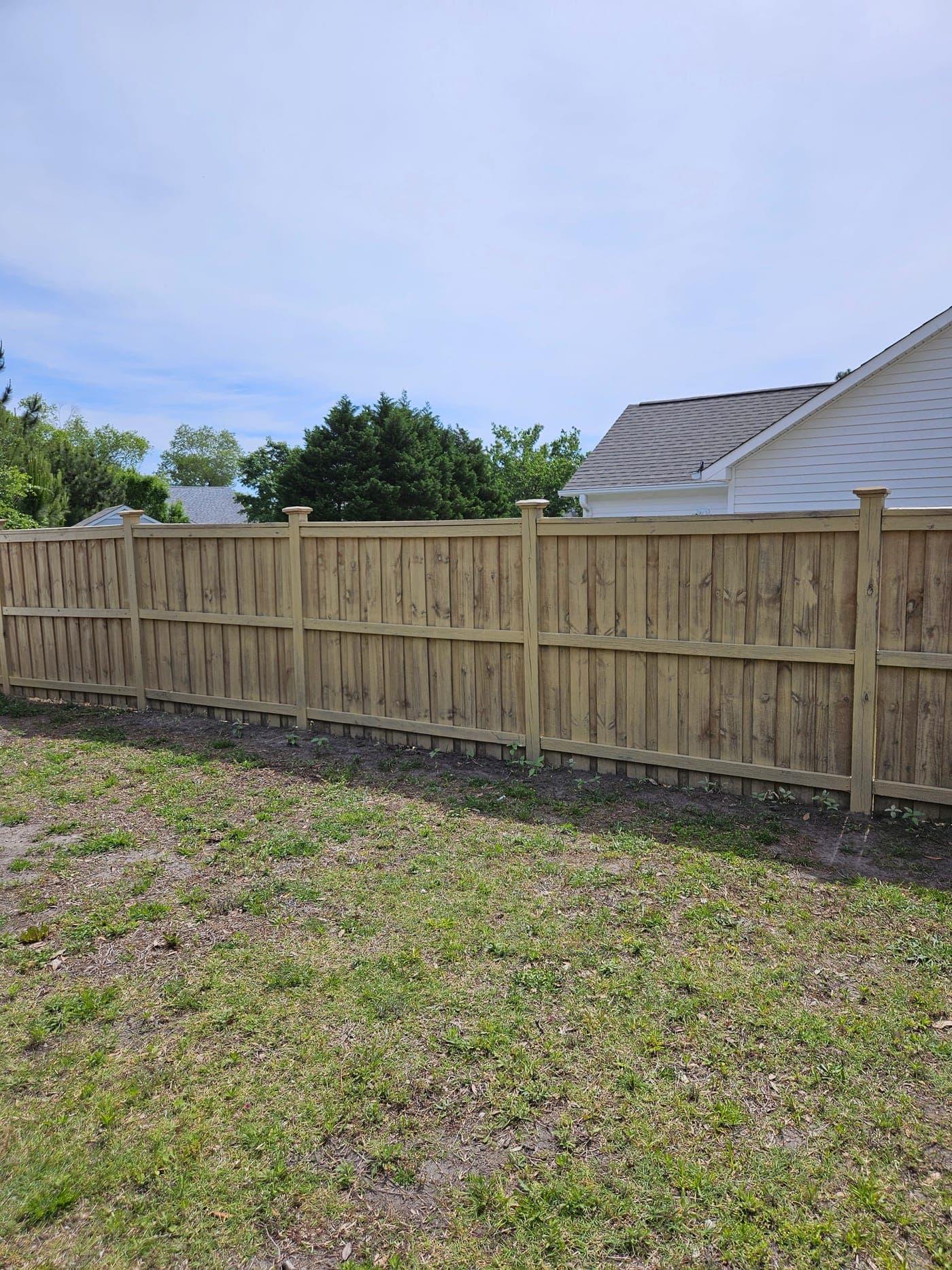
April. Roof and drainage month. Inspect roofs, clean every gutter, and confirm site drainage moves water away from buildings — spring is when you find out what winter loosened. Inspect and repair fencing and railings.
May. Hurricane prep, part one. Trim trees away from rooflines and power service. Inventory and test any storm hardware. Photograph every building elevation — pre-storm documentation makes insurance claims dramatically easier. Service automatic gates and access control now, before storm-season power problems find weak batteries.
June. Hurricane season opens. Finish anything left from May. Walk pool areas and amenities as summer traffic starts. Confirm your emergency vendor contacts and after-hours procedures are current — the week before a named storm is the wrong time to learn your vendor list is stale.
Q3: July – September (Heat, Rain, and Watchfulness)
July. HVAC peak load. Condensate lines clog in our humidity and cause more summer water damage than roofs do — clear them. Rinse condenser coils (salt buildup cuts efficiency). Check exterior door hardware and closers; heat and humidity swell doors and reveal marginal hardware.
August. Wettest stretch of the year. Watch drainage during storms and note where water stands — free diagnostic data. Inspect breezeway ceilings and under-stair areas for leaks while rain is frequent.
September. Historically the most active hurricane month for this coast. Keep gutters clear, keep documentation current. After any storm: full property walk within 48 hours — roofs, fences, gates, trees — with photos, even when nothing looks wrong from the parking lot.
Q4: October – December (Close-Out and Cold Prep)
October. Post-summer recovery. Deep-clean and repair amenities after peak use. Begin exterior paint and carpentry repairs in the cooler, drier air — the best painting weather of the year on this coast.
November. Winterization. Insulate exposed plumbing, service heating, clean gutters again after leaf drop, and check weatherstripping on units and common doors.
December. Year-end review. Pull the year's work orders and look for repeat offenders — the building with three roof tickets, the gate with four service calls. Repeats are your capital-planning list telling you what it wants to be. Budget accordingly.
Making It Stick
A calendar only works if completion gets documented. Every scheduled item on our contracts generates a dated record with photos, so at year end the manager can show owners exactly what preventive money bought — and exactly which deferred items are now capital requests.
If your portfolio is running reactive-only, we'll walk your property and build a calendar like this around it, priced and scheduled. Reach us at /estimate for a free written proposal.
Pricing a project?
Get an instant range
Pick your project type and see a real price range in seconds — based on jobs we’ve actually completed around Wilmington.
Common questions
Is preventive maintenance actually cheaper than reactive maintenance?
Consistently, yes — small scheduled items prevent the expensive failures they grow into. A caulking and flashing visit costs a service call; the rot repair it prevents costs multiples of that. Coastal weather compresses the timeline, so deferral gets punished faster here than inland.
When should hurricane prep happen on the maintenance calendar?
May, finished by early June. Atlantic hurricane season runs June 1 through November 30, and September is historically the most active month for this coast. Tree trimming, gutter clearing, gate and access-control service, and photo documentation of every building should be done before the season opens, not when a storm is named.
What preventive item do apartment communities most often skip?
HVAC condensate line clearing. In coastal humidity, clogged condensate lines cause more summer water-damage tickets than roof leaks, and the prevention takes minutes per unit. Gate operator service is a close second — batteries and corroded connections fail during exactly the storm-season outages you need gates working through.