January 10, 2026
Remodel Permits in New Hanover County: What Needs One
By Coastal Concepts Construction · 3 min read
Which remodeling projects need a permit in New Hanover County, which do not, how the COAST portal works, and why pulling permits protects you as the homeowner.
Permits are the least exciting part of any remodel, and the part homeowners ask us about most nervously. The good news: the rules in New Hanover County are more sensible than people fear, and a contractor who works here regularly handles the process as a matter of routine. Here is a plain-language guide, current as of this writing. Rules change, so always confirm details with New Hanover County or your municipality before starting work.
The general rule
A permit is required for work that affects a structure's safety or its systems. Cosmetic work generally is not permitted work. That single sentence sorts most projects correctly.
Remodel work that typically requires a permit
- Removing or adding walls, or cutting new door and window openings
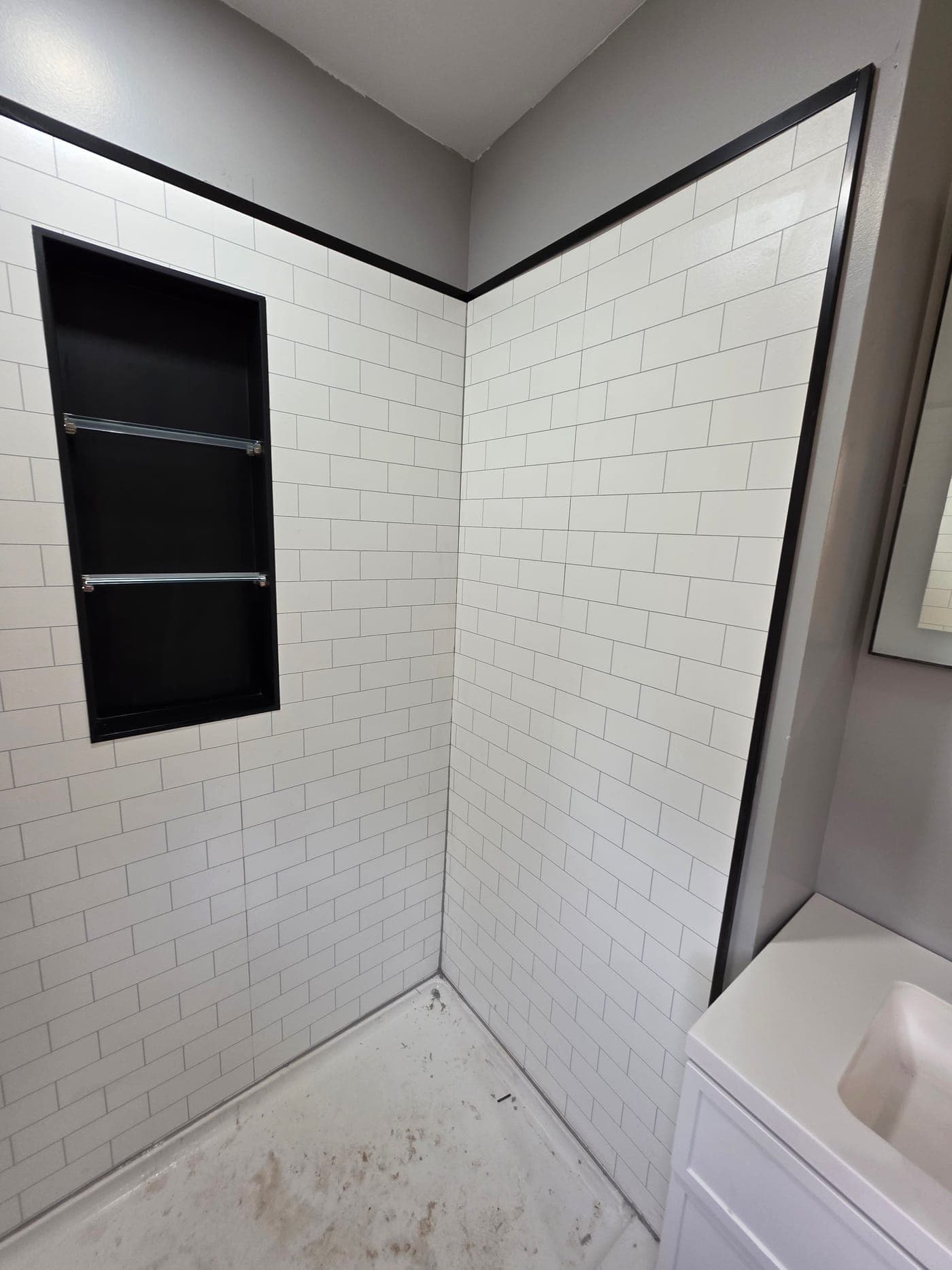
- Full kitchen and bathroom remodels, especially where plumbing or wiring changes
- Converting a garage, attic, or porch to living space
- New electrical circuits, outlets, lighting runs, or service changes
- New or relocated plumbing fixtures and re-piping
- Water heater replacement
- New HVAC systems, and change-outs that are not like-for-like
Notice the theme: structure, wiring, pipes, and mechanicals. Anything inside the walls is likely permitted work.
Work that typically does not require a permit
- Painting, trim, and other cosmetic finishes
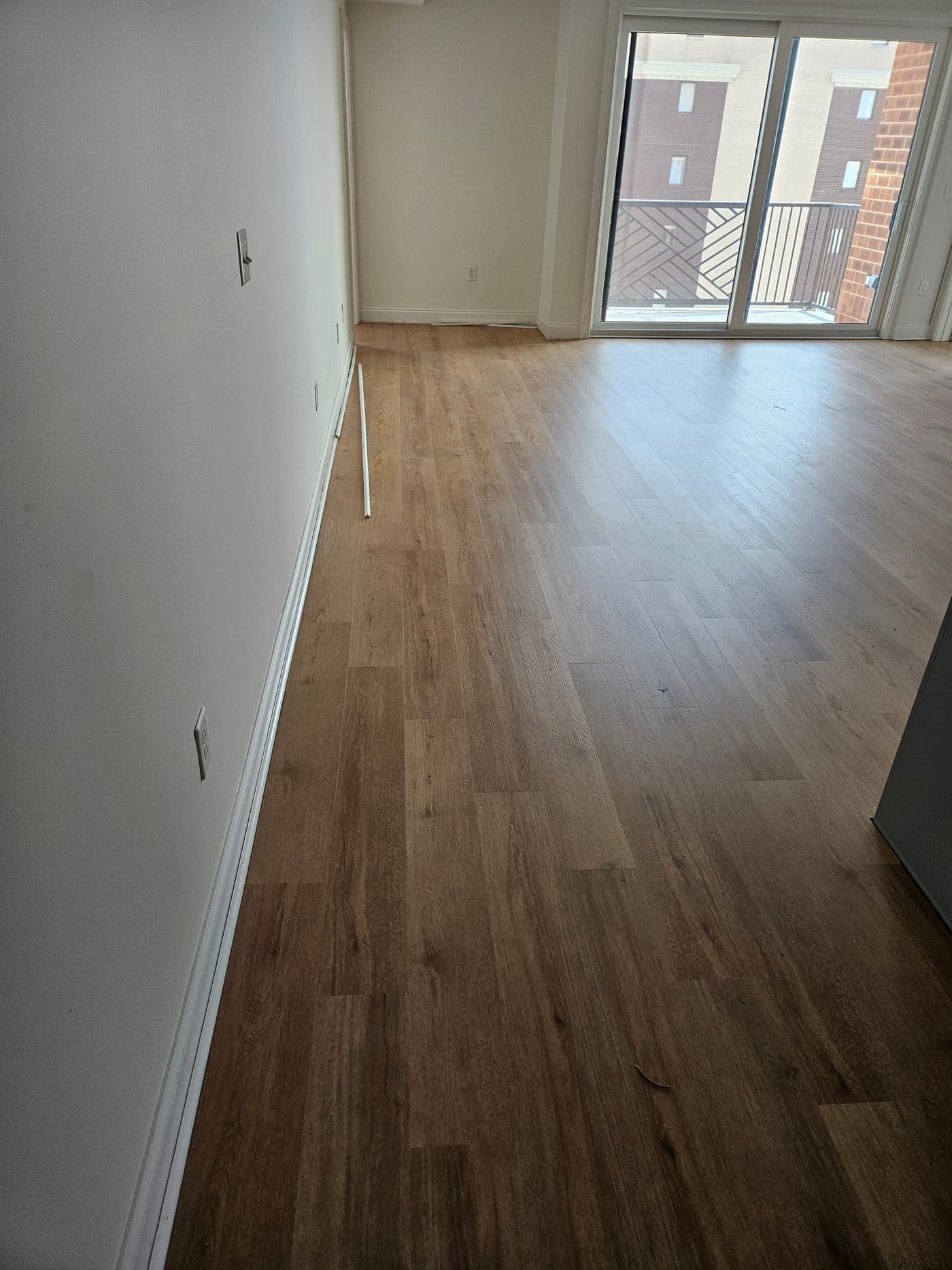
- Flooring replacement
- Replacing sheetrock in kind
- Replacing a door or window in the same size and location
- Roofing repairs in kind with the same materials and no structural work
- Siding replacement
The pattern here is like-for-like: replacing a thing with the same thing, in the same place, at the same size. New Hanover County also maintains a "Do I Need a Permit?" page on nhcgov.com that is worth a look before any project.
How the process actually works
New Hanover County handles applications through its online COAST portal (Customer Online Application and Services Tool). For a typical remodel, the contractor applies, pays the fees, and schedules the inspections: usually a rough-in inspection once plumbing, electrical, and framing are open and visible, and a final inspection when the work is done. Inside Wilmington city limits, city zoning approvals can also come into play for certain projects, so the address matters.
For most homeowner remodels, permits add days to a schedule, not weeks, provided the paperwork is complete and the work is planned properly.
Why you actually want the permit
Homeowners sometimes ask us, quietly, whether skipping the permit would be easier. Our answer is always the same: the permit protects you, not us.
- Insurance. Carriers can deny claims tied to unpermitted work, which matters a great deal in a region that files storm claims.
- Resale. Buyers' inspectors and attorneys flag unpermitted additions and conversions, and unwinding that during a sale is expensive and stressful.
- Safety. The inspection is a second set of trained eyes on the wiring and plumbing that will live inside your walls for decades.
A contractor who suggests skipping a required permit is telling you how they handle everything else, too. And keep copies of every permit and passed inspection with your house records; when you refinance or sell, that folder answers questions in minutes that otherwise take weeks.
What we do on every job
Permitting is written into our process. When we prepare the custom written scope for your project, before we ever give a firm quote, it states which permits apply, who pulls them, and which inspections will happen. You should never have to wonder whether your remodel is legal.
Planning a project and unsure what it will trigger? Ask us. We will sort the permit question and hand you a free written estimate with the whole picture in it. Start at /estimate.
Pricing a project?
Get an instant range
Pick your project type and see a real price range in seconds — based on jobs we’ve actually completed around Wilmington.
Common questions
Do I need a permit to remodel a bathroom in New Hanover County?
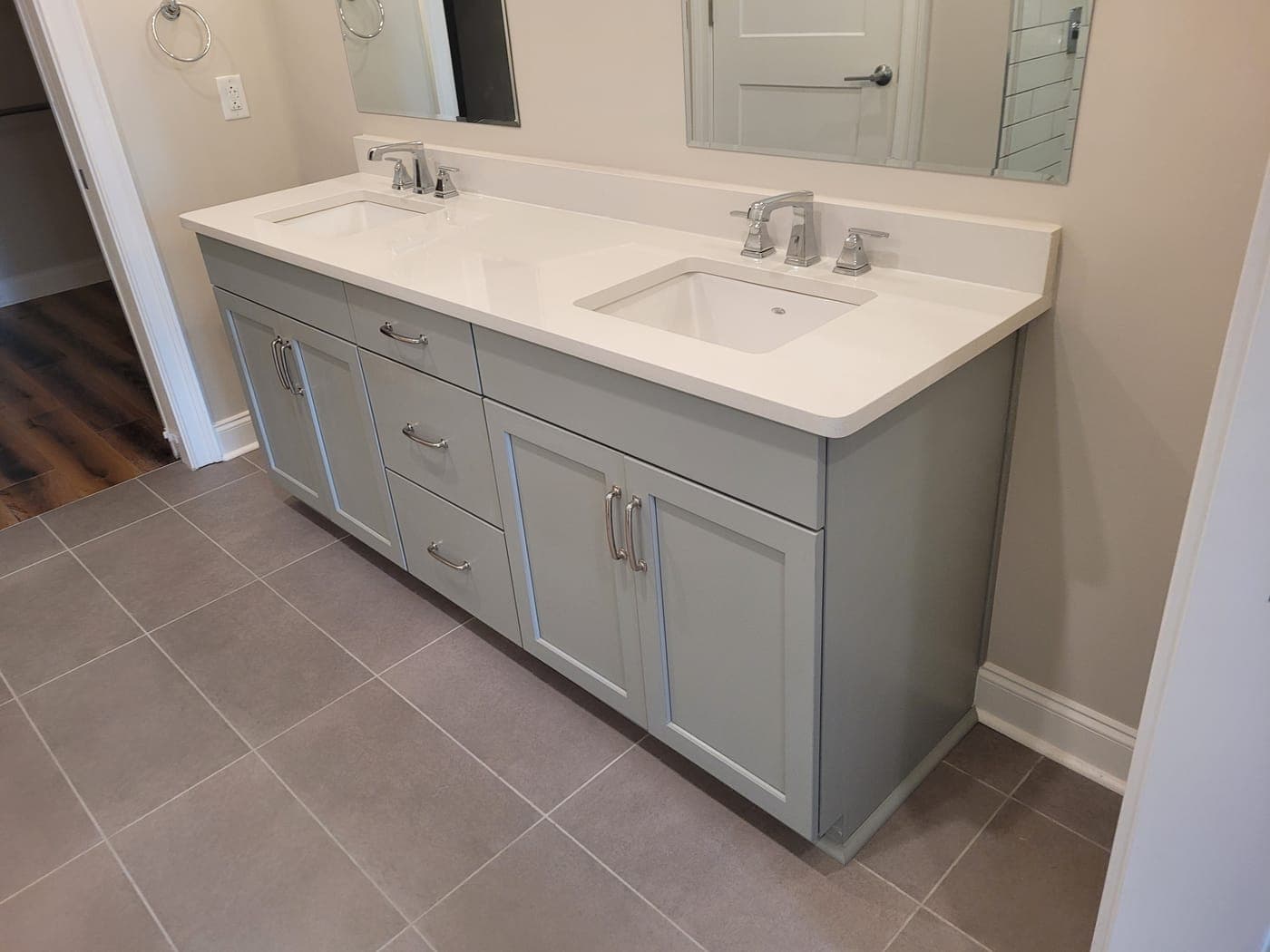
A cosmetic refresh, such as new vanity, flooring, and paint, generally does not require one. Moving or adding plumbing, running new circuits, or changing the layout generally does. The county's Do I Need a Permit page and your contractor can confirm your specific scope.
Who pulls the permit, the homeowner or the contractor?
Either can, but on our projects we pull them. The contractor of record pulling the permit means we own the inspections and code compliance, which is exactly where that responsibility belongs.
What happens if work was done without a permit?
Unpermitted work can trigger insurance claim denials, complications at resale, and orders to open up and inspect finished work. It is far cheaper to permit correctly the first time than to legalize work after the fact.