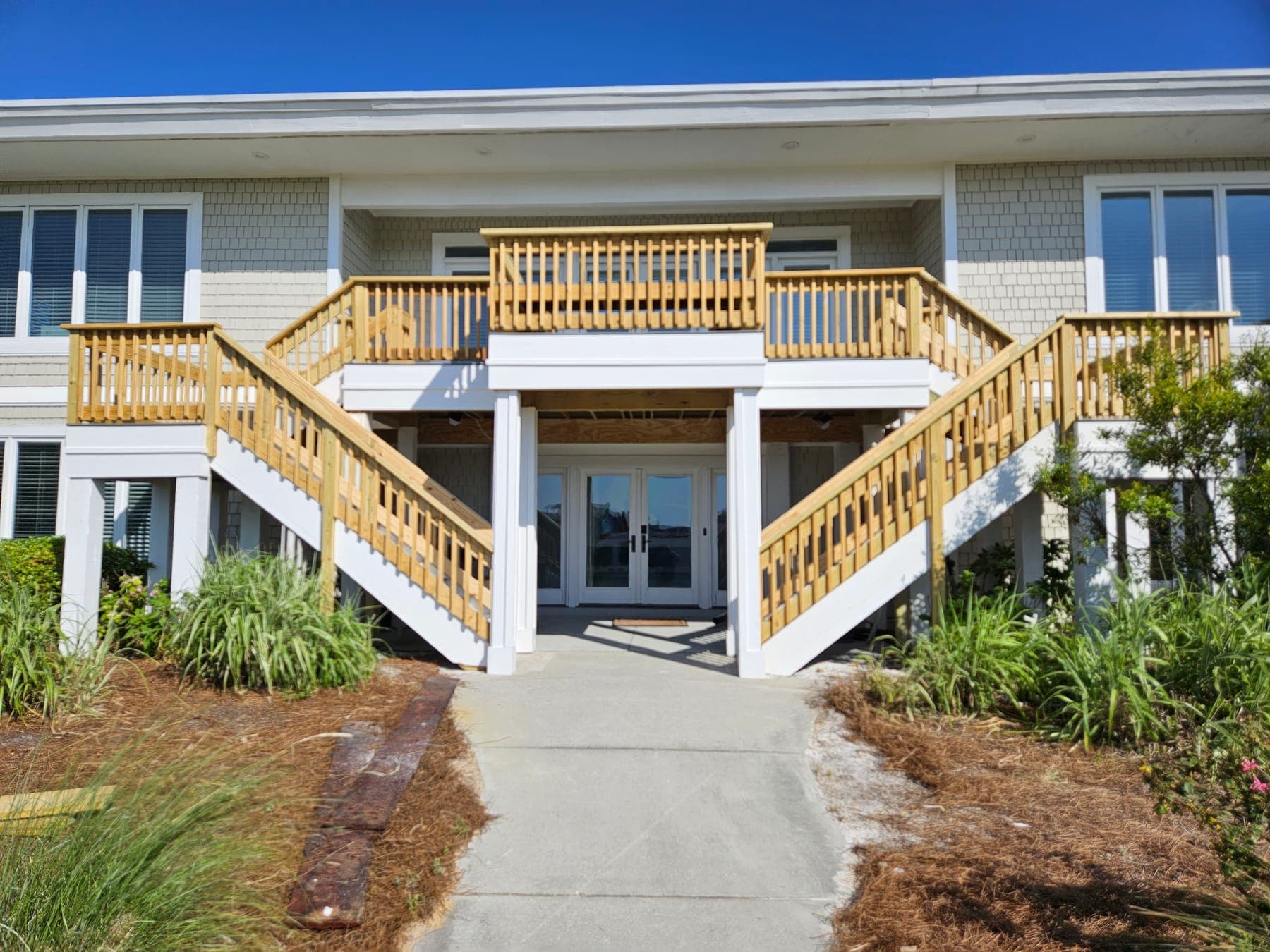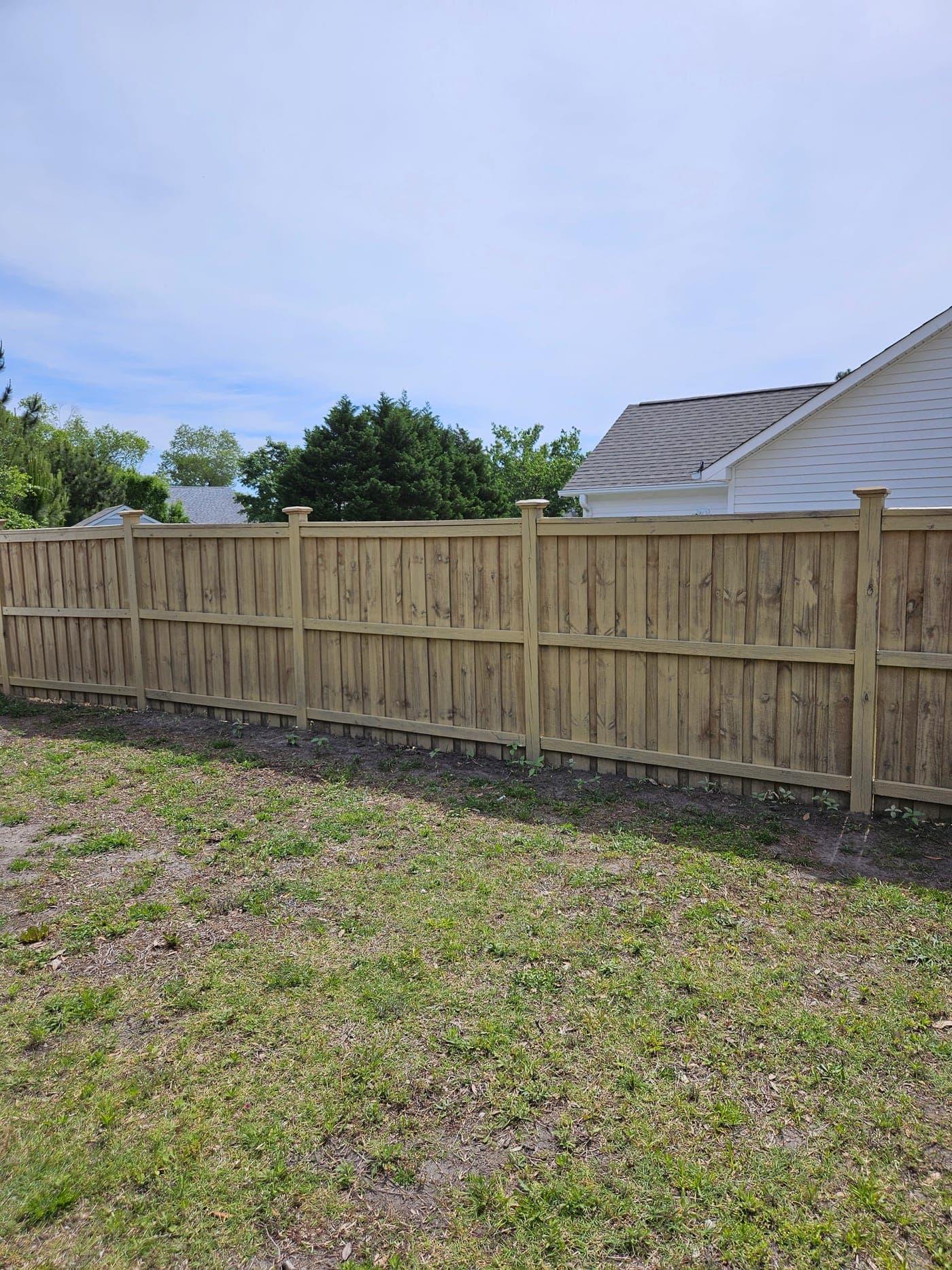
August 5, 2025
Post-Storm Damage Walkthrough: What to Document and Why
By Coastal Concepts Construction · 3 min read
A step-by-step walkthrough for checking your Wilmington-area home after a storm — what to photograph, what to write down, and what to leave for a pro — so your insurance claim and repairs go smoother.
After a storm rolls through the Cape Fear region, the first hour you spend walking your property matters more than most people realize. We've repaired hundreds of homes around Wilmington after named storms and no-name thunderstorms alike, and the jobs that go smoothly almost always started with a homeowner who documented things well before anything got moved or patched.
Here's the walkthrough we'd do on our own houses.
Safety First, Then the Camera
Before you document anything, make sure it's safe to be there. Downed lines, a smell of gas, standing water near outlets, or a roof that's visibly sagging — those are reasons to stay out and call the utility or fire department first.
Once you're clear on safety, grab your phone and start taking pictures before you touch anything. Insurance adjusters work off evidence. A tarp thrown over a hole is smart, but photograph the hole first. Wide shots to establish location, then close-ups of the damage itself. Turn on the timestamp if your camera app has one.
Work From the Top Down
Storm damage follows gravity, so document in the same order.
Roof. From the ground or a window — not a ladder in wet conditions — look for missing or lifted shingles, exposed felt, damaged ridge caps, and dented or displaced flashing around chimneys and vents. Binoculars or a phone zoom work fine.
Gutters and fascia. Sections pulled loose, dented downspouts, granules piled in gutters (a sign of shingle wear accelerated by wind-driven rain).
Siding and trim. Cracks, punctures from flying debris, lifted panels, and water staining under windows. On coastal homes, wind-driven rain gets behind siding through gaps you'd never notice on a calm day.
Windows and doors. Cracked glass, torn screens, water pooling on interior sills. Even if the glass held, check whether water got past the seals.
Inside. Ceiling stains, damp drywall, wet insulation in the attic, water lines in the crawl space. Musty smell within a day or two usually means water got in somewhere you haven't found yet.
Yard and structures. Fences, decks, detached buildings, and your driveway gate if you have one. Gate operators that took water often fail days later, so note anything that sounds or moves differently.
Write Down More Than You Think You Need
Photos alone don't tell the whole story. Keep a simple running list: date and time of the storm, when you first noticed each item, and anything you did to prevent further damage (tarping, moving furniture, shutting off water). Insurers generally expect you to take reasonable steps to protect the property — keep receipts for tarps, fans, or emergency work, because those costs are often part of the claim.
Don't throw anything away yet. Wet carpet, broken fence sections, storm-torn screens — the adjuster may want to see them. If you must remove something for safety, photograph it thoroughly first.
What to Leave for a Professional
Some things aren't worth checking yourself: walking a wet roof, opening electrical panels that may have taken water, and crawling under a house right after flooding. We also recommend getting a contractor's eyes on any structural questions — a porch post that shifted, a deck that racked sideways, a garage door frame that's out of square. Those can look minor and not be.
Be careful with anyone knocking on your door after a storm offering to start work immediately for cash. Get a written scope and a written price from anyone you hire, and check that larger jobs are being handled by a licensed contractor — in North Carolina, projects of $40,000 or more require a licensed general contractor.
Getting From Documentation to Repairs
Once you've filed your claim, a detailed written estimate from a local contractor gives the adjuster something concrete to work against. We do this regularly for Wilmington homeowners: we walk the property, match our scope to what you documented, and put it all in writing so there's no guesswork about what's being fixed and for how much.
If your home took damage in the last storm, request a visit at /estimate and we'll put together a free written estimate you can hand straight to your insurance company.
Pricing a project?
Get an instant range
Pick your project type and see a real price range in seconds — based on jobs we’ve actually completed around Wilmington.
Common questions
Should I make temporary repairs before the insurance adjuster comes?
Yes — insurers generally expect you to take reasonable steps to prevent further damage, like tarping a roof or shutting off water. Just photograph everything first and keep receipts for materials, since those costs are often reimbursable as part of the claim.
How soon after a storm should I inspect my home?
As soon as it's safe — ideally the same day. Water damage compounds quickly in our humid coastal climate, and documenting damage promptly makes it easier to tie it to the storm when you file a claim.
Do I need a licensed contractor for storm repairs in North Carolina?
For any project costing $40,000 or more, North Carolina requires a licensed general contractor. Below that threshold licensing isn't mandatory, but you should still insist on a written scope and price from anyone you hire, and be cautious with door-knockers after storms.