April 8, 2026
LVP vs Hardwood in Coastal Homes: An Honest Comparison
By Coastal Concepts Construction · 3 min read
Luxury vinyl plank and hardwood compared head-to-head for coastal NC conditions: humidity movement, water events, sand traffic, resale, and long-term cost.
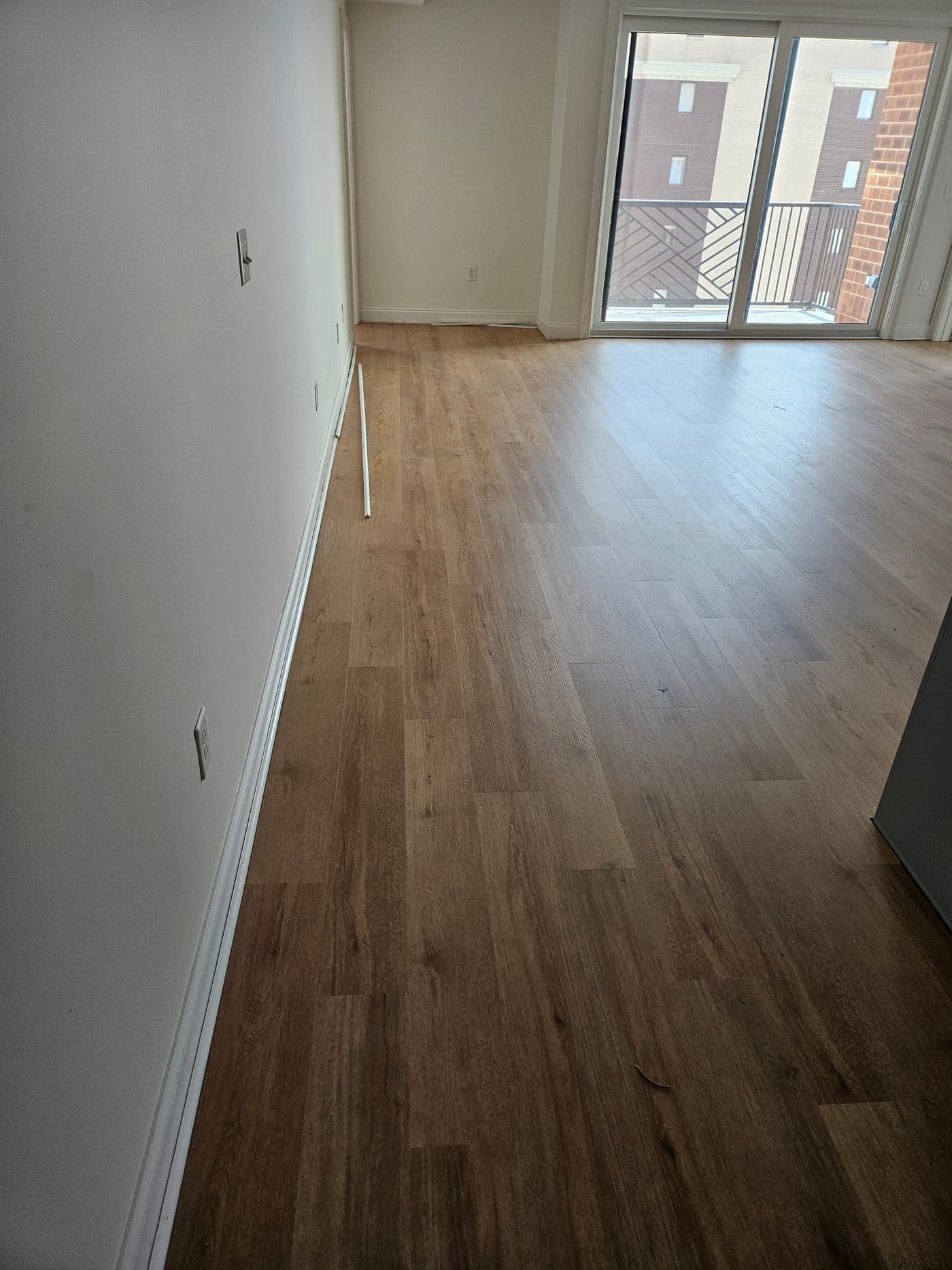
The most common flooring question we get in Wilmington-area consultations is a two-horse race: luxury vinyl plank or hardwood? Both can be beautiful. Both can be the wrong answer for a given room. Living near the coast shifts the math in ways the national flooring articles never mention, so here is the local comparison, category by category.
Humidity and movement
Hardwood is a natural material that breathes with the air around it. Coastal humidity swings, muggy summers against heated winter interiors, make solid hardwood expand and contract more here than inland, which shows up as seasonal gaps, cupping, and the occasional crowned board. Engineered hardwood, with its layered core, tames most of that movement and is the only wood we recommend near the coast.
LVP does not care. Its core is plastic or composite, and humidity passes it by. Wide swings can still affect cheap click-lock joints, but quality LVP is fundamentally stable in our climate. Category: LVP, with engineered hardwood a workable second.
Water events, from spills to storms
Here is where coastal living makes the decision for many owners. A dropped glass matters to neither floor. A dishwasher leak, a wind-driven-rain intrusion, or a tracked-in soaking matters a great deal. Quality LVP is waterproof; dry it out and it is fine. Hardwood that sits wet stains, cups, and often needs board replacement or full refinishing.
For ground floors, beach rentals, and homes in flood-prone pockets, this category alone often settles the question. Category: LVP, decisively.
Sand, pets, and daily abuse
Sand is the coast's quiet floor-killer, grinding finishes underfoot like sandpaper. Hardwood finishes scratch and dull along traffic paths; the saving grace is that wood can be screened and refinished, repeatedly if it is solid or thick-veneer engineered. LVP with a 20 mil or thicker wear layer resists sand scratching remarkably well, but when it is finally worn or gouged, there is no refinishing; planks get replaced. Category: draw, decided by whether you would rather refinish wood someday or keep spare LVP planks in the garage.
Feel, sound, and the real-house test
Walk both and your feet will know the difference. Hardwood is warmer, quieter in the right construction, and carries a solidity underfoot that vinyl approximates but does not equal. LVP has improved enormously, and good underlayment closes much of the sound gap, but wood still feels like wood. Category: hardwood.
Resale and perception
Real wood still carries weight with buyers, and listings say hardwood floors for a reason. That said, buyer attitudes have shifted fast, and in beach-area homes, savvy buyers increasingly read waterproof LVP as the smarter spec, not the cheaper one. In a primary home inland of the beach, hardwood holds the edge; in a rental or oceanfront property, the edge shrinks to nothing. Category: hardwood, narrowing.
Cost, upfront and over time
Most of the flooring projects we install, in either material, land between $800 and $4,000 depending on square footage and prep. Within that range, LVP typically stretches further per dollar, and hardwood consumes more of the budget in material and installation labor. Over decades, hardwood's refinishing option extends its life; LVP's replacement cost stays modest. Category: LVP upfront; long-run depends on the room.
Our honest bottom line
Ground floors, rentals, baths, and busy family spaces near the beach: LVP. Upper floors and formal spaces in a primary home where feel matters: engineered hardwood. Many of our best projects use both, wood where you live and vinyl where the water is.
Every flooring quote we give starts with a written custom scope, rooms, prep, transitions, and materials specified, before the firm number. Want the comparison priced for your actual house? Request a free written estimate at /estimate.
Pricing a project?
Get an instant range
Pick your project type and see a real price range in seconds — based on jobs we’ve actually completed around Wilmington.
Common questions
Does LVP look cheap compared to hardwood?
Quality LVP with realistic texture and low pattern repetition reads convincingly as wood from standing height. Budget LVP with glossy finishes and repeating planks does not. The gap between good and cheap LVP is bigger than the gap between good LVP and wood.
Can you put solid hardwood in a beach house?
We advise against solid hardwood near the coast. Humidity swings move it too much. Engineered hardwood is the coastal-appropriate wood option, kept out of wet rooms and supported by steady indoor humidity control.
How long does LVP last in a coastal home?
Quality LVP with a 20 mil or thicker wear layer commonly delivers 15 to 25 years in residential use, sand traffic included. Thin builder-grade product can show wear in under a decade, which is why the wear layer spec matters more than the photo layer.