August 24, 2025
Best Flooring for Beach Houses: Sand, Humidity, Wet Feet
By Coastal Concepts Construction · 3 min read
The flooring that actually survives coastal NC living, ranked by how it handles sand abrasion, humidity swings, and dripping swimsuits, with honest budget ranges.
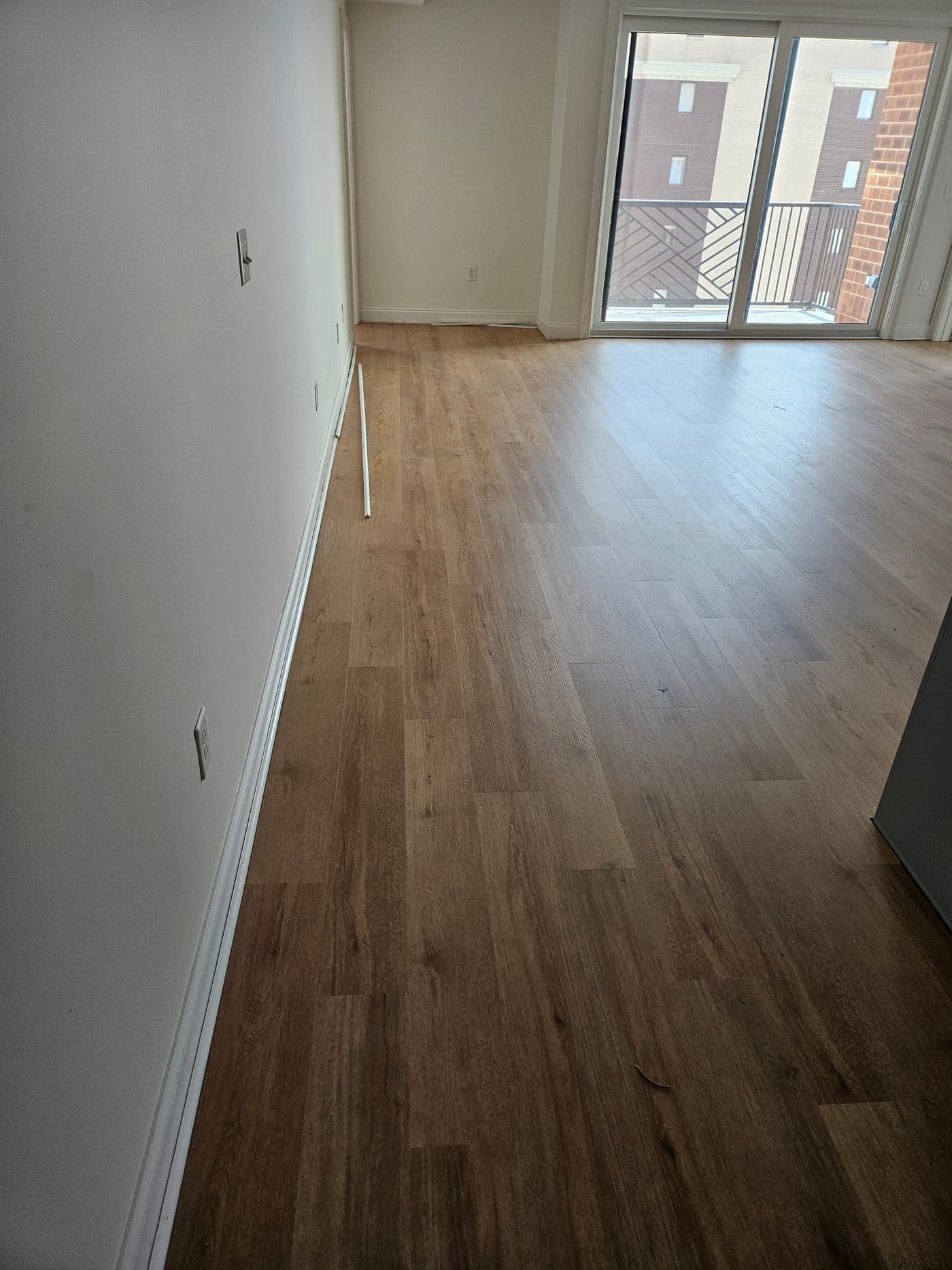
Flooring in a beach house takes abuse that inland floors never see. Sand acts like sandpaper underfoot. Humidity swells and shrinks anything made of wood. Wet feet, dripping towels, and the occasional storm-driven leak round it out. We have replaced a lot of failed flooring in homes from Wrightsville Beach to Carolina Beach to Topsail, and the failures follow a pattern: the floor was chosen for looks alone.
Here is how the common options actually hold up on the coast.
Luxury vinyl plank: the coastal workhorse
If we had to pick one floor for most beach houses, it is quality luxury vinyl plank. It is fully waterproof, shrugs off sand better than most surfaces, handles humidity swings without cupping, and looks convincingly like wood from standing height. It is also comfortable underfoot and quiet.
The caveats: cheap LVP dents and fades, and any LVP can be gouged by dragging furniture. Buy a wear layer of 20 mil or better for a busy household or rental. Expect most whole-room and multi-room flooring projects, LVP included, to land somewhere in the $800 to $4,000 range depending on square footage and prep.
Tile: the most durable, the least forgiving
Porcelain tile is basically immune to sand, water, and humidity. For entries, baths, laundry rooms, and ground-floor living areas that see beach traffic, it is the most bulletproof choice available. Wood-look plank tile has gotten good enough that many owners use it through entire main floors.
The trade-offs are comfort and cost of installation. Tile is hard underfoot, cool in winter, and labor-intensive to install correctly. Grout also needs sealing to stay clean. But a well-installed tile floor may be the last floor that room ever needs.
Engineered hardwood: real wood, coastal rules apply
Solid hardwood struggles near the coast; humidity cycles make it move too much. Engineered hardwood, with its plywood core, is far more stable and gives you genuine wood surface. It works well in second-floor bedrooms and living spaces away from direct water.
The rules: keep it out of baths and laundry rooms, run dehumidification or steady HVAC in the humid months, and accept that sand will eventually scratch the finish in high-traffic paths. A screen-and-recoat every several years keeps it presentable.
Carpet: bedrooms only, and choose wisely
Carpet and beach houses are a rough match. Sand works into the pile and grinds fibers down, and humidity plus damp feet invites mildew. Where owners want carpet for comfort, we suggest limiting it to upstairs bedrooms, choosing solution-dyed synthetic fiber, and using walk-off mats aggressively at every entry.
What matters as much as the material
Half the flooring failures we tear out were installation problems, not product problems. On the coast, that means checking subfloor moisture before installation, leaving proper expansion gaps, using the right underlayment, and detailing transitions at exterior doors where wind-driven rain sneaks in. A floor is a system, and the visible layer is only part of it. Ask any installer to show you their moisture readings before the first plank goes down; if they do not own a moisture meter, keep looking.
Getting a straight answer for your house
The right floor depends on which room, which level, how the house is used, and what is under the existing floor now. Before we quote any flooring job, we write a custom scope for your project: rooms, prep work, materials, transitions, and haul-off, all spelled out before you see a firm number.
If your floors are showing the effects of sand and salt air, send us a note at /estimate and we will put together a free written estimate for replacing them with something built for the coast.
Pricing a project?
Get an instant range
Pick your project type and see a real price range in seconds — based on jobs we’ve actually completed around Wilmington.
Common questions
What is the best flooring for a beach rental property?
Quality LVP with a 20 mil or thicker wear layer is the usual winner: waterproof, sand-tolerant, and easy to clean between guests. Porcelain tile is even tougher for entries and baths if the budget allows the extra installation labor.
Will hardwood floors warp in a coastal home?
Solid hardwood often cups or gaps with coastal humidity swings. Engineered hardwood is much more stable and is the better choice near the coast, provided the home keeps reasonably steady indoor humidity and the wood stays out of wet rooms.
How much does new flooring cost?
Most of the flooring projects we do fall between $800 and $4,000 depending on square footage, material, and how much subfloor prep or repair is needed. Old floor removal and damaged subfloor are the usual budget movers.