March 3, 2026
Fence Permits and HOA Rules in Coastal NC, Explained
By Coastal Concepts Construction · 3 min read
When a fence needs a permit in the Wilmington area, how city height limits work, and why HOA and CAMA rules can override everything else.
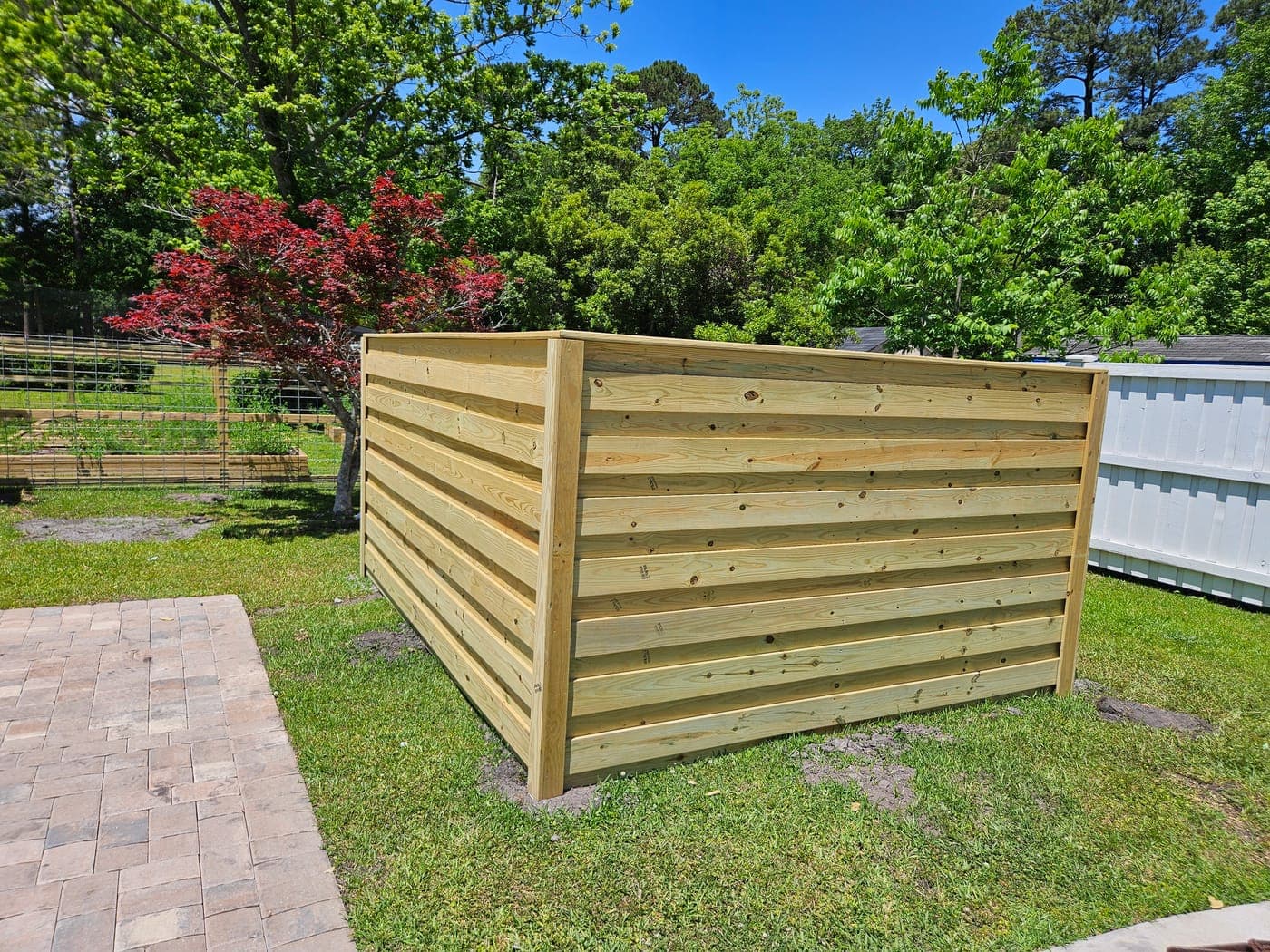
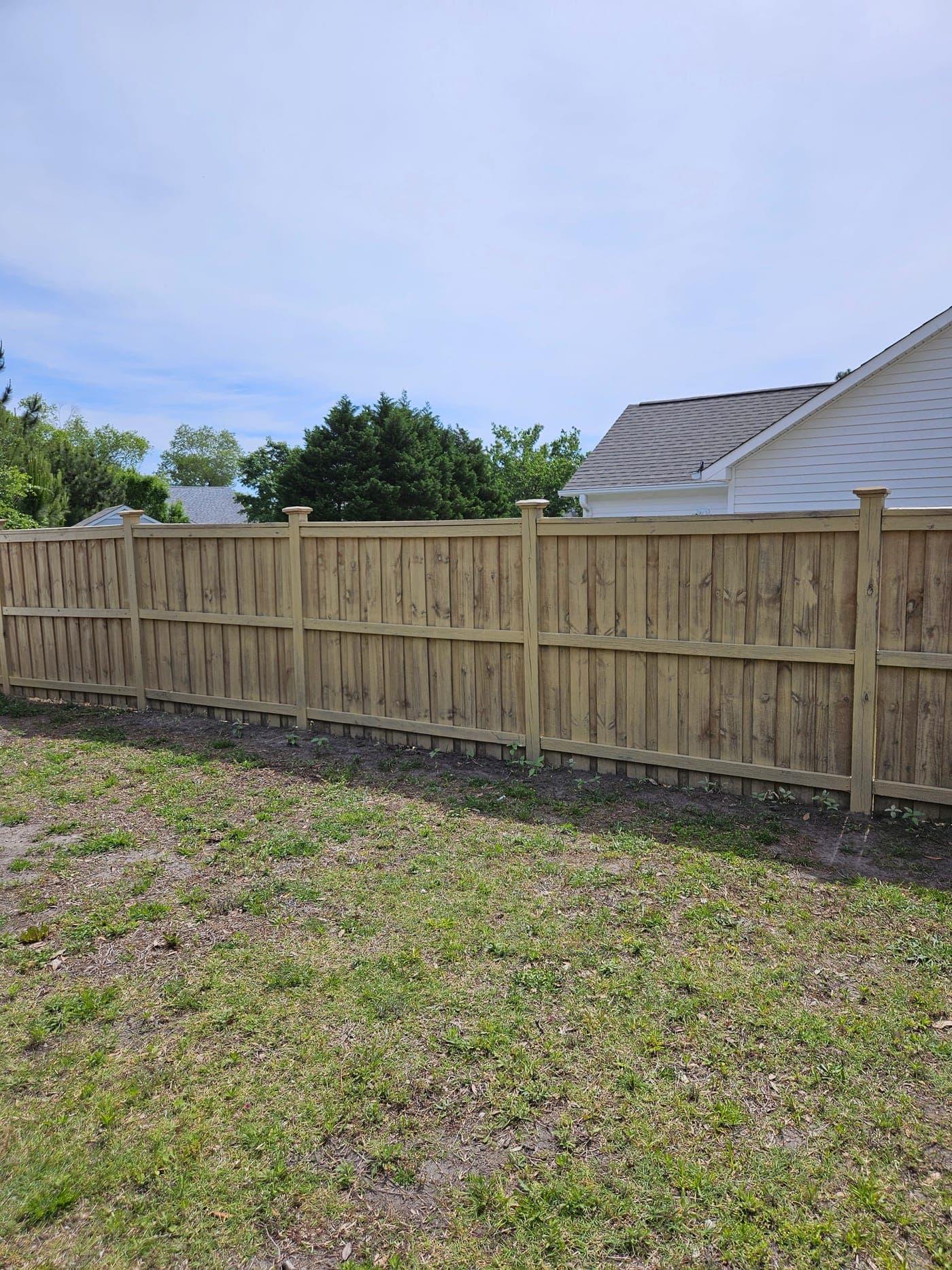
Fences look like the simplest project in outdoor construction, and legally they're one of the trickiest, because the rules come from four different directions at once: the building code, local zoning, your HOA, and, near the water, the state's coastal management rules. We've seen brand-new fences ordered shortened, moved, and removed. Here's how to not be that story.
Building permits: usually not, sometimes yes
Here's the part that surprises people in a good way. Under the residential building code as adopted locally, a standard residential fence at 7 feet or below generally doesn't require a building permit in the City of Wilmington. Go taller than that and you're into permit territory, because tall fences are structures with real wind load.
But "no building permit" does not mean "no rules." It means the rules live elsewhere.
Zoning: the height and location limits
Local zoning is where fence rules really live. In Wilmington, the general pattern is that front-yard fences are limited to around 4 feet, while side and rear fences can go up to 8 feet, with additional conditions on certain lots such as corner properties, where sight-triangle rules near intersections and driveways restrict anything that blocks a driver's view. Fence materials and types can also be regulated; some prohibited types show up in the land development code.
Every jurisdiction writes its own version: unincorporated New Hanover County, Carolina Beach, Wrightsville Beach, Leland, Hampstead's county rules, Surf City, and so on each have their own numbers. The pattern is similar, low in front, taller in back, but the specifics differ, so we verify against the actual jurisdiction on every fence job rather than assuming.
HOAs: the strictest layer, and it's private law
If you're in an HOA community, and a huge share of the newer neighborhoods in Leland, Hampstead, Porters Neck, and Ogden are, the HOA's covenants apply on top of the city or county rules, and they're almost always stricter. Common HOA fence provisions we run into: maximum 4-foot heights everywhere, required materials (aluminum only is common), required colors, no chain link, no front-yard fences at all, and mandatory Architectural Review Committee approval before installation.
Two hard-won pieces of advice. First, get the ARC approval in writing before any post goes in the ground; an HOA can and will make you remove a non-conforming fence at your own expense, and "the contractor said it was fine" is not a defense. Second, don't rely on what your neighbor's fence looks like; theirs may be grandfathered, or they may be one letter away from their own problem.
CAMA and flood zones: the coastal layer
Close to the water, the Coastal Area Management Act enters the picture. Properties within designated Areas of Environmental Concern, oceanfront lots, estuarine shorelines along the Intracoastal, and similar locations may need a CAMA permit for development, and fences can count. Separately, in mapped flood zones, solid fences that could obstruct moving floodwater can face restrictions or require specific construction. If your lot touches water, marsh, or dune, budget a little extra patience for this layer; we coordinate with the local CAMA officer when a project calls for it.
Property lines: the quiet deal-breaker
More fence disputes come from property lines than from any rulebook. Pins get buried, old fences wander off the line, and memories differ. On any fence where the line isn't obvious and marked, a survey is cheap insurance compared to moving a fence, and we'll tell you when we think you need one.
What this means for your project
A typical fence project here runs $1,500 to $6,500, and the paperwork layer costs little or nothing when it's handled up front, versus plenty when it's handled after a violation letter. Our process on every fence: confirm the jurisdiction and its height rules, ask about the HOA and wait for the ARC letter, flag CAMA or flood-zone questions on waterfront lots, and confirm the line before digging.
Thinking about a fence in New Hanover, Pender, or Brunswick County? Request a free written estimate at our estimate page and we'll sort the rules for your specific lot before quoting a single foot of it.
Pricing a project?
Get an instant range
Pick your project type and see a real price range in seconds — based on jobs we’ve actually completed around Wilmington.
Common questions
Do I need a permit to build a fence in Wilmington, NC?
A standard residential fence 7 feet or shorter generally doesn't need a building permit in Wilmington, but zoning still limits height and placement, roughly 4 feet in front yards and up to 8 feet in side and rear yards, and HOA and coastal rules can apply on top.
Can my HOA stop me from building a fence the city allows?
Yes. HOA covenants are private restrictions that apply in addition to city and county rules and are usually stricter. Get written Architectural Review Committee approval before installation, because HOAs can require removal of non-conforming fences.
What is a CAMA permit and does my fence need one?
CAMA is North Carolina's Coastal Area Management Act, which regulates development in designated Areas of Environmental Concern near the ocean, marshes, and estuarine shorelines. Fences on waterfront lots can fall under it, and we check with the local CAMA officer when a project is close to the water.