August 6, 2025
Bathroom Ventilation and Mold in Coastal NC Humidity
By Coastal Concepts Construction · 3 min read
Why Wilmington-area bathrooms grow mold faster than inland ones, what proper ventilation actually looks like, and the fixes that stop the cycle for good.
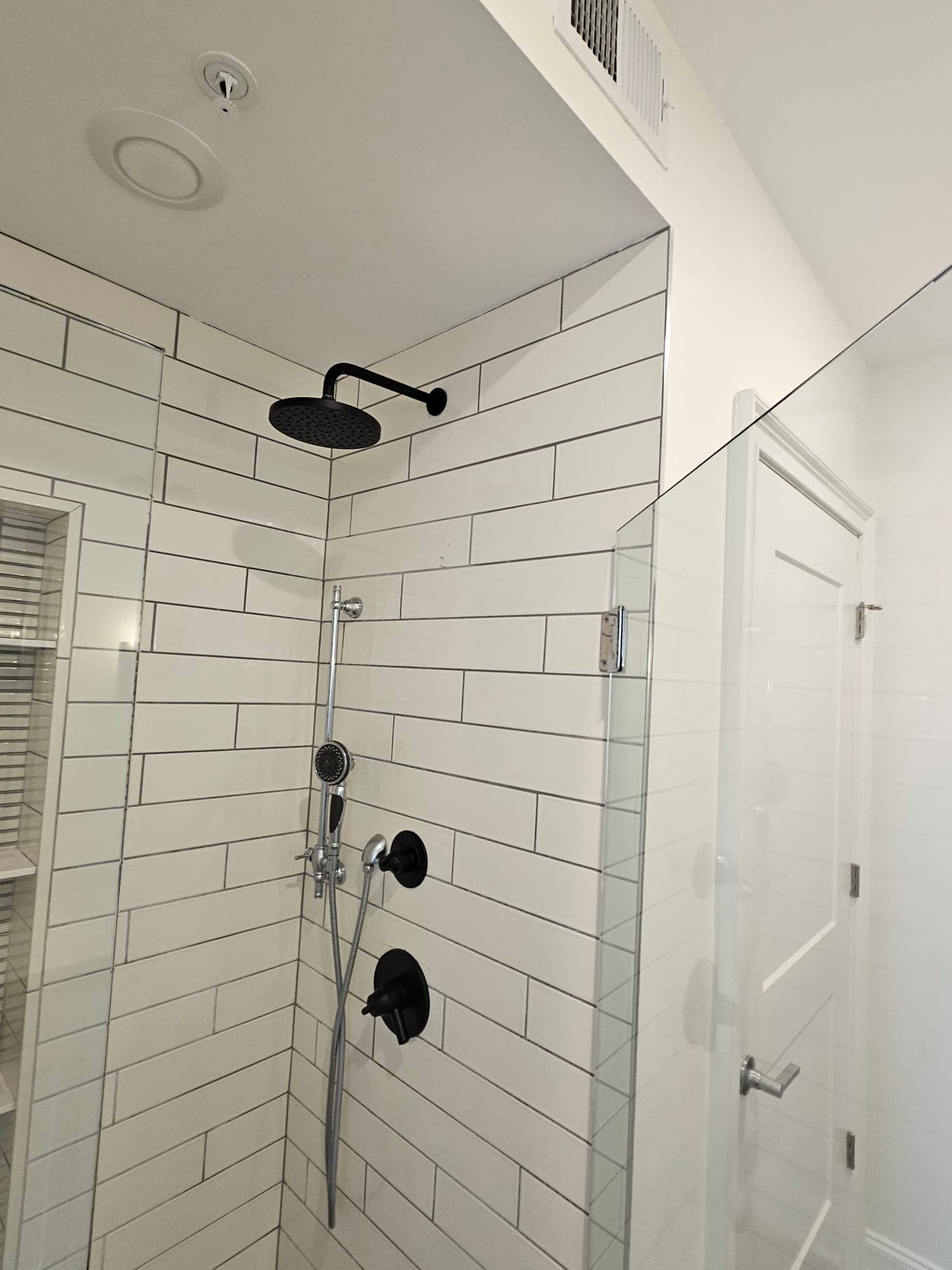
If you live near the coast, you have probably fought bathroom mold: the pink ring in the shower, black spots on the ceiling, paint that never quite dries. It is not a housekeeping failure. It is physics. Coastal air around Wilmington carries high humidity for most of the year, and a bathroom adds a hot shower to air that is already damp. Without a way out, that moisture soaks into paint, grout, drywall, and framing.
We open up bathroom walls all over New Hanover, Brunswick, and Pender counties, and moisture damage is the most common thing we find. Here is what actually causes it and what actually fixes it.
The usual suspect: a fan that does not do its job
Most bathroom mold problems trace back to ventilation. The common failures we see:
- No fan at all, especially in older homes where a window was considered enough. In our humidity, it is not.
- A fan that vents into the attic instead of outside. This just moves the mold problem to your roof framing.
- An undersized or clogged fan. A fan rated well below the room's size, or one choked with a decade of dust, moves almost no air.
- A fan nobody runs long enough. The moisture load from a shower takes 20 to 30 minutes to clear, not the 3 minutes most people run the switch.
A properly sized exhaust fan, ducted to the exterior with smooth pipe and a working damper, solves the majority of chronic bathroom mold cases we see.
Simple upgrades that make a real difference
A humidity-sensing fan switch is the single best small upgrade for a coastal bathroom. It turns the fan on when moisture rises and off when the room is dry, so nobody has to remember anything. A basic timer switch is the budget version and still beats a plain toggle.
Beyond the fan, small details matter: mold-resistant drywall in wet rooms, semi-gloss or bath-rated paint, silicone rather than acrylic caulk at wet joints, and sealed grout. None of these are expensive on their own. Together they change how a bathroom ages here.
When mold means something bigger
Surface mildew on paint or caulk is a maintenance item. But some signs point to moisture inside the wall or ceiling assembly:
- Mold that returns within weeks of cleaning
- Soft or bubbling drywall
- A musty smell that does not clear with cleaning
- Staining on the ceiling below an upstairs bath
Those usually mean a failed shower pan, a leaking supply or drain line, or condensation inside the cavity. Painting over it does not fix it; it just hides the progress. The right move is to open the affected area, correct the leak or ventilation problem, dry the framing, and rebuild with materials suited to a wet room. Drywall repairs like this typically run in the $300 to $4,500 range depending on how far the damage goes.
How we approach it
When we look at a moldy bathroom, we are less interested in the mold than in the moisture path that feeds it. Fix the path and the mold stops coming back. Before we quote anything, we put a written custom scope in front of you that spells out exactly what we found, what we will open up, and how it goes back together. No vague line items.
If your bathroom keeps growing mold no matter how often you clean it, have someone look at the ventilation and the walls before it gets into the framing. We are happy to take a look and give you a free written estimate. Start at /estimate.
Pricing a project?
Get an instant range
Pick your project type and see a real price range in seconds — based on jobs we’ve actually completed around Wilmington.
Common questions
Why does my bathroom ceiling keep getting mold spots?
Ceiling mold almost always means warm, moist air is lingering after showers. The usual causes are a missing, undersized, or attic-vented exhaust fan, or a fan that is not run long enough. Fix the ventilation first, then repaint with a bath-rated paint.
Is bathroom mold dangerous or just ugly?
Surface mildew on paint and caulk is common and manageable. Mold growing inside walls or on framing is a bigger concern because it signals ongoing moisture that also rots wood. If mold returns fast after cleaning or drywall feels soft, get it inspected.
What size exhaust fan does my bathroom need?
A common rule of thumb is at least 1 CFM per square foot of bathroom, with 50 CFM as a floor for small baths. In coastal humidity we usually recommend going a size up and adding a humidity-sensing switch so it runs long enough to matter.